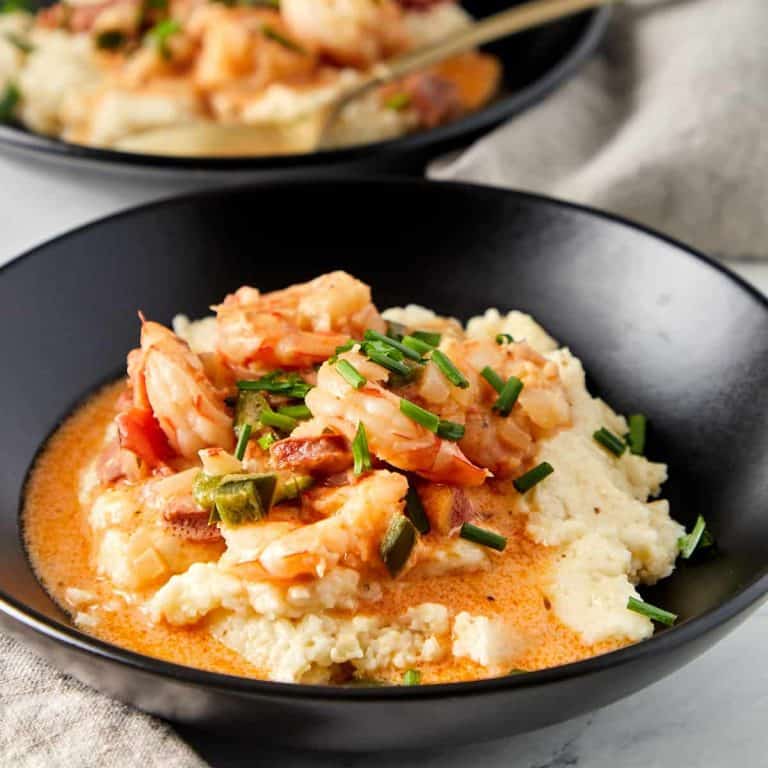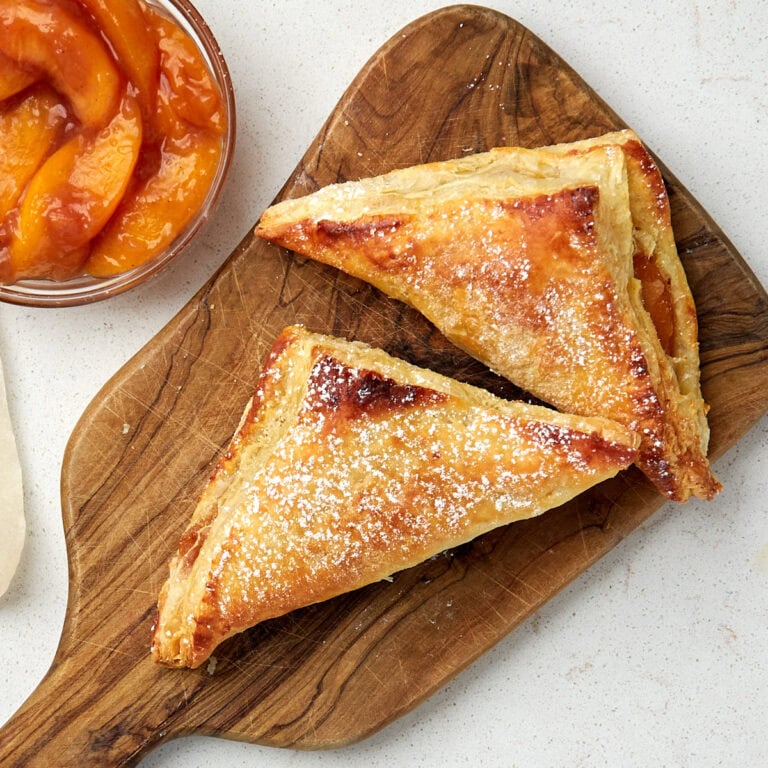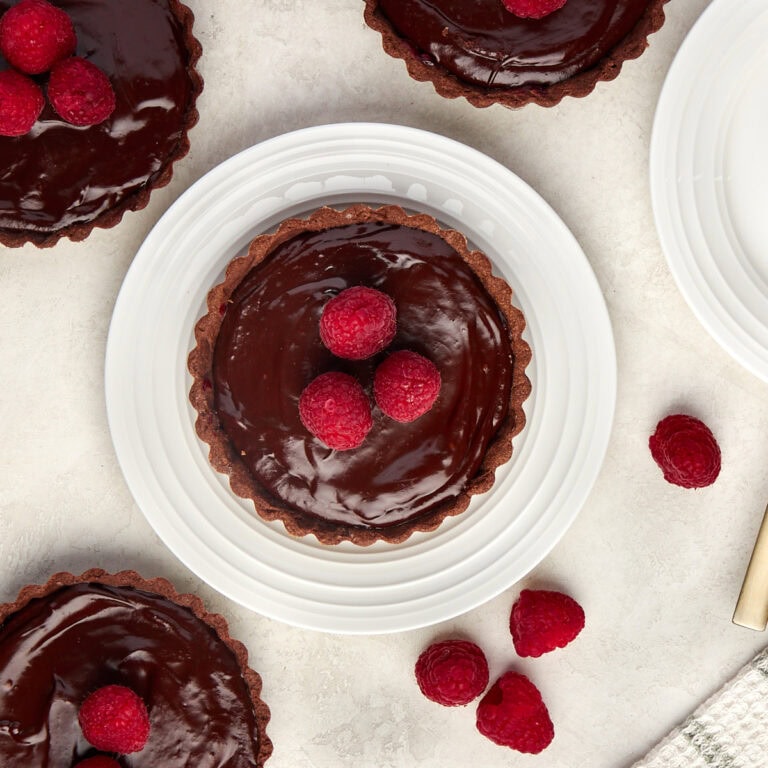


These lemon meringue tarts are made with buttery shortbread shells and a bright, tangy lemon curd, then finished with a torched Italian meringue. They are made for spring entertaining, from Easter brunch to Mother’s Day, and can be prepped a day ahead so you’re not scrambling before guests arrive. Our version uses Italian meringue instead of the more common French or Swiss styles, which gives you a smoother, more stable finish that holds its shape without beading or shrinking.

Want To Save This Recipe For Later?
Lemon meringue has always been one of my favorites, and my nana’s was the best. I learned to make meringue (and pie crust) from her. These tarts are my upscale version of her classic pie.
I’ll be honest, there are a few steps here, but none of them are complicated, and the payoff is a dessert that looks like you bought it at a patisserie. The tart shells and lemon curd can both be made the day before, which leaves only the meringue for the day of.
Key Ingredients and Substitutions
Here is what you need to make these lemon meringue tarts, and a few notes on the ingredients.
The complete ingredient list and measurements are listed in the printable recipe below.
For the Tart Shells
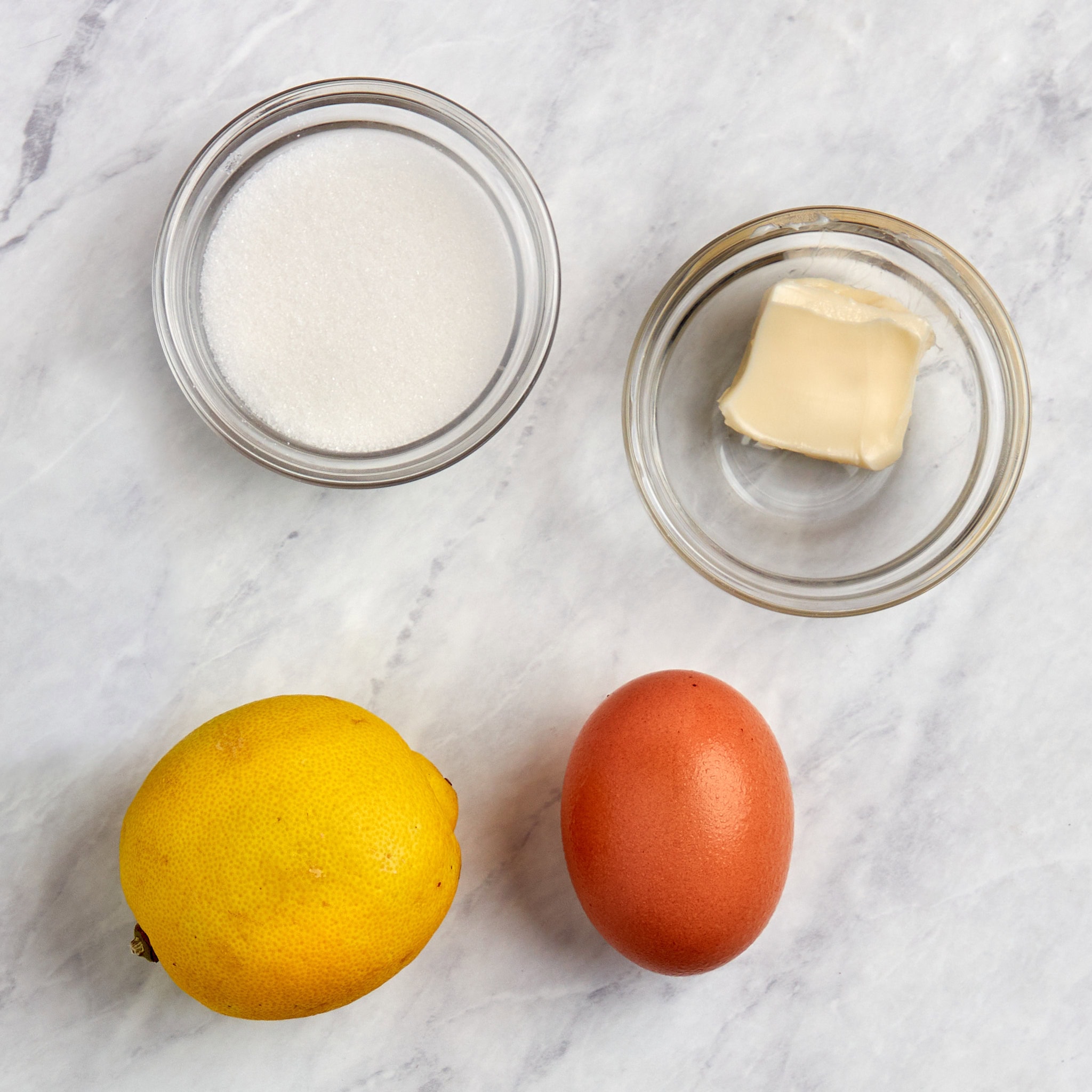
This dough is measured by weight because volume measurements of flour are too inconsistent to yield reliable results, and the ratios here matter to achieve the right texture.
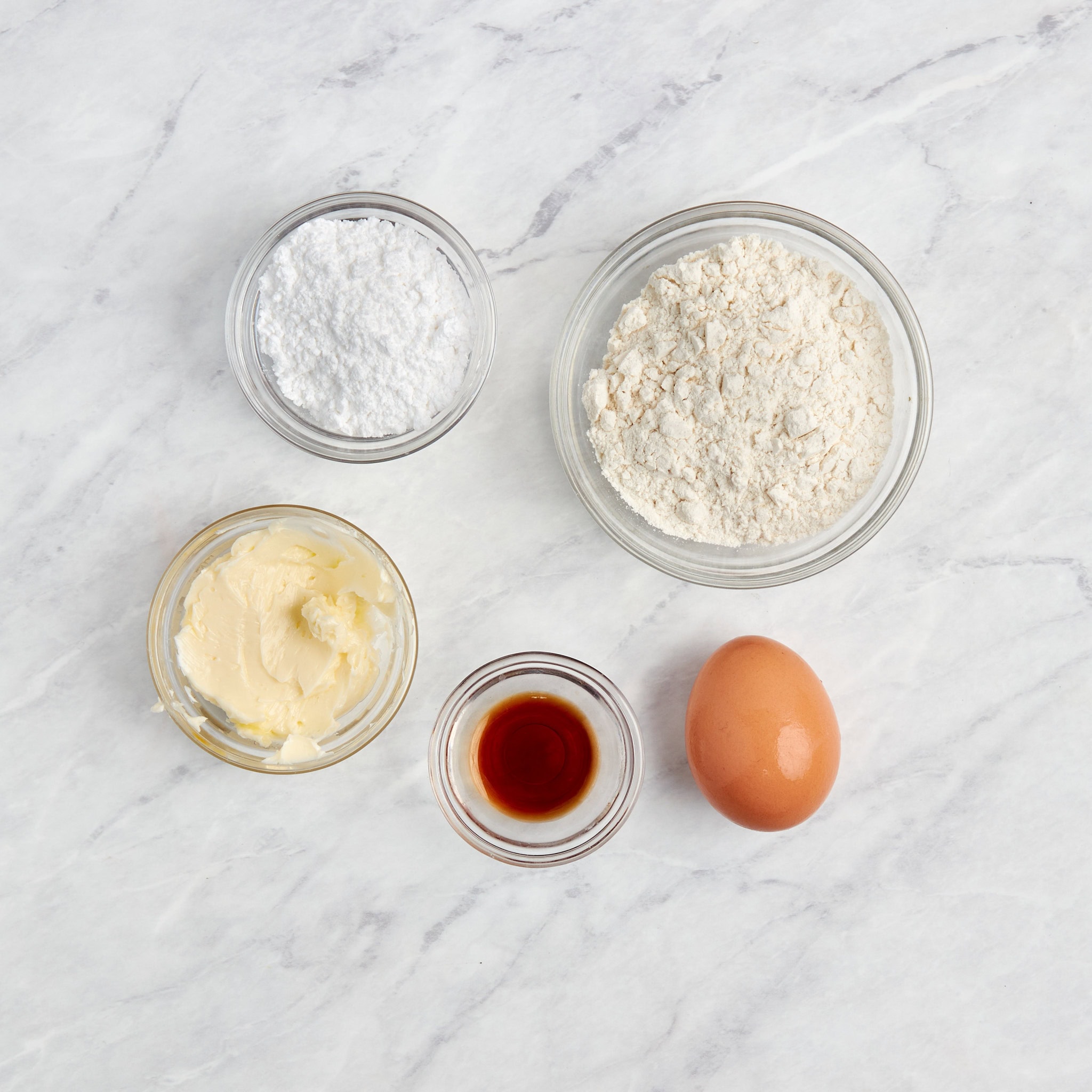
- Unsalted butter: It needs to be softened, not melted. If you forgot to pull it from the refrigerator, cut it into small cubes and let it sit on the counter for 30 minutes.
- Powdered sugar: This is what makes a tender, crumbly crust rather than chewy. Caster sugar works here too, though it will produce a slightly sweeter result. We prefer not to use regular granulated sugar, as it doesn’t dissolve as easily and can affect both the dough’s consistency and the final baked crust. No powdered sugar on hand? Blitz granulated sugar in a blender or food processor until fine, then use it instead.
- Egg: Pull it from the refrigerator about 30 minutes before you start. Room temperature eggs incorporate more smoothly into the dough. If you forgot to pull your eggs from the refrigerator, place them in a bowl of warm tap water for 10 to 15 minutes. That’s enough to take the chill off without risking cooking them.
Note: This recipe makes enough dough for eight 4-inch tarts, so you will only use half of it. Wrap the remaining dough tightly and freeze for up to 3 months. Prefer to use it all at once? Double the lemon curd and meringue and make eight tarts instead.
For the Lemon Filling
- Lemon juice and zest: Take the time to use fresh lemon juice and zest. Bottled lemon juice won’t give you the brightness you need, and the zest carries a lot of the flavor. Use a microplane and stop before you hit the white pith, which is bitter.
- Butter: Stir it in off the heat, one cube at a time. Rushing this step will affect the texture of the finished curd.
For the Italian Meringue
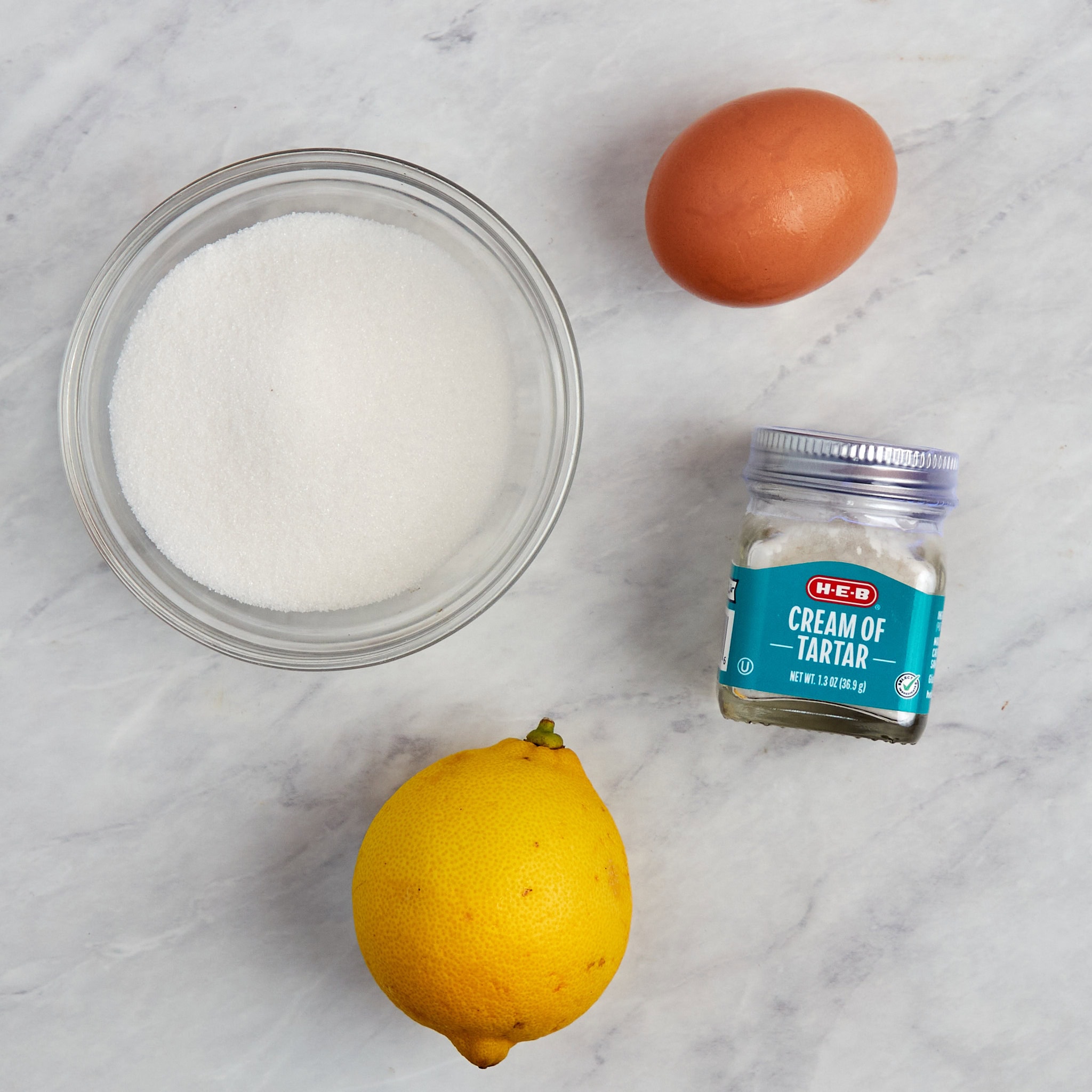
- Egg whites: Use fresh egg whites, not carton whites. Make sure your bowl and whisk attachment are completely clean and dry before you start, since any trace of fat will prevent the whites from whipping properly. We recommend wiping everything down with vinegar.
- Sugar syrup temperature: You need an instant-read thermometer for this. The syrup has to hit 242°F before it goes into the whites, and eyeballing it won’t get you there.
- Cream of tartar and lemon juice: Both are acidic and work together to stabilize the egg whites, helping the meringue hold its structure longer. The lemon juice also adds a subtle brightness to the finished meringue.
How to Make Lemon Meringue Tarts
Here are the quick, step-by-step instructions with visuals; you can find the full instructions, including the exact ingredients, in the recipe card below.
Pro-tip: A properly baked, fully cooled shell is your best defense against a soggy crust once the filling goes in.
Step 1 – Blind Bake the Tart Shells
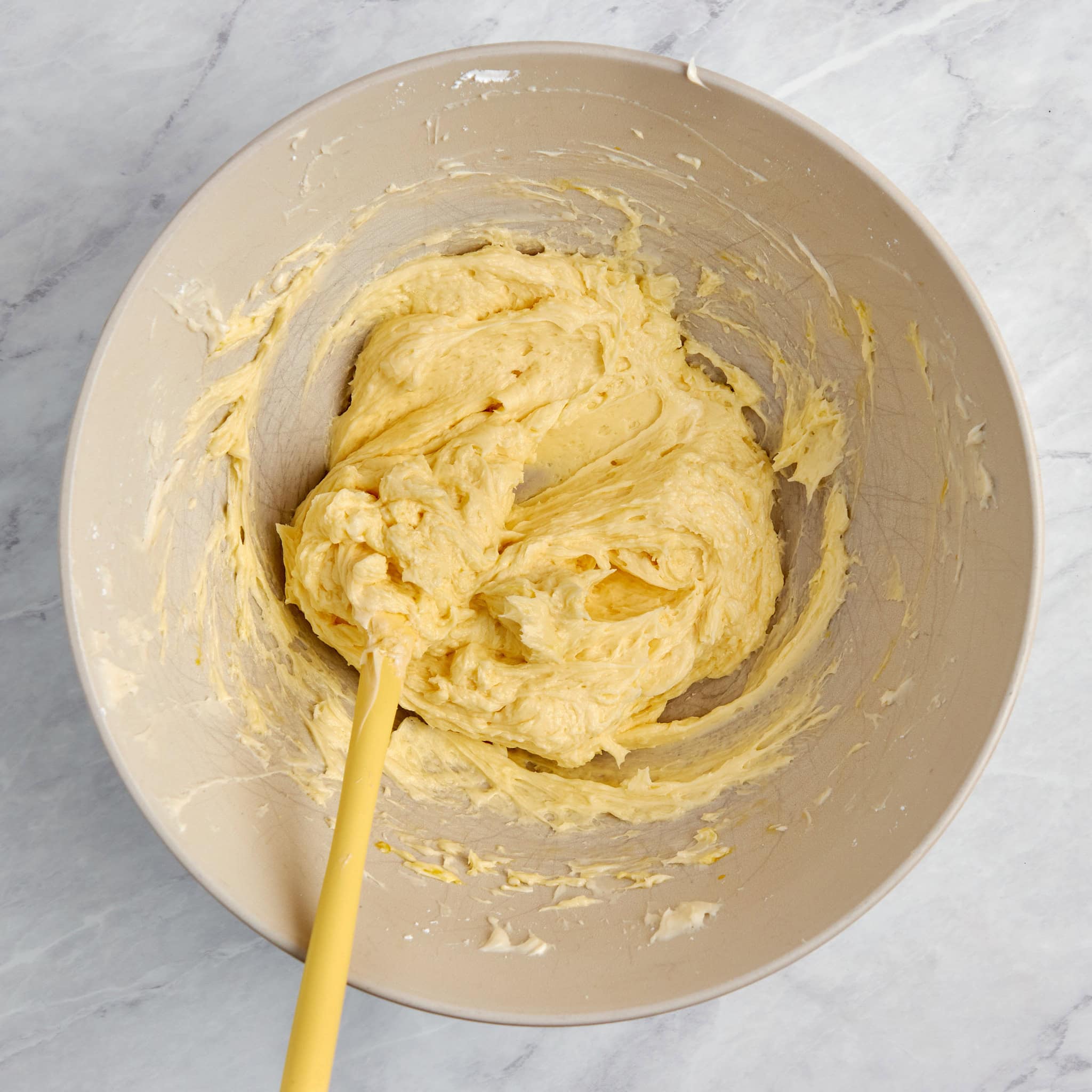
Beat the softened butter with an electric mixer until creamy, then add the powdered sugar and salt and mix on low until combined.
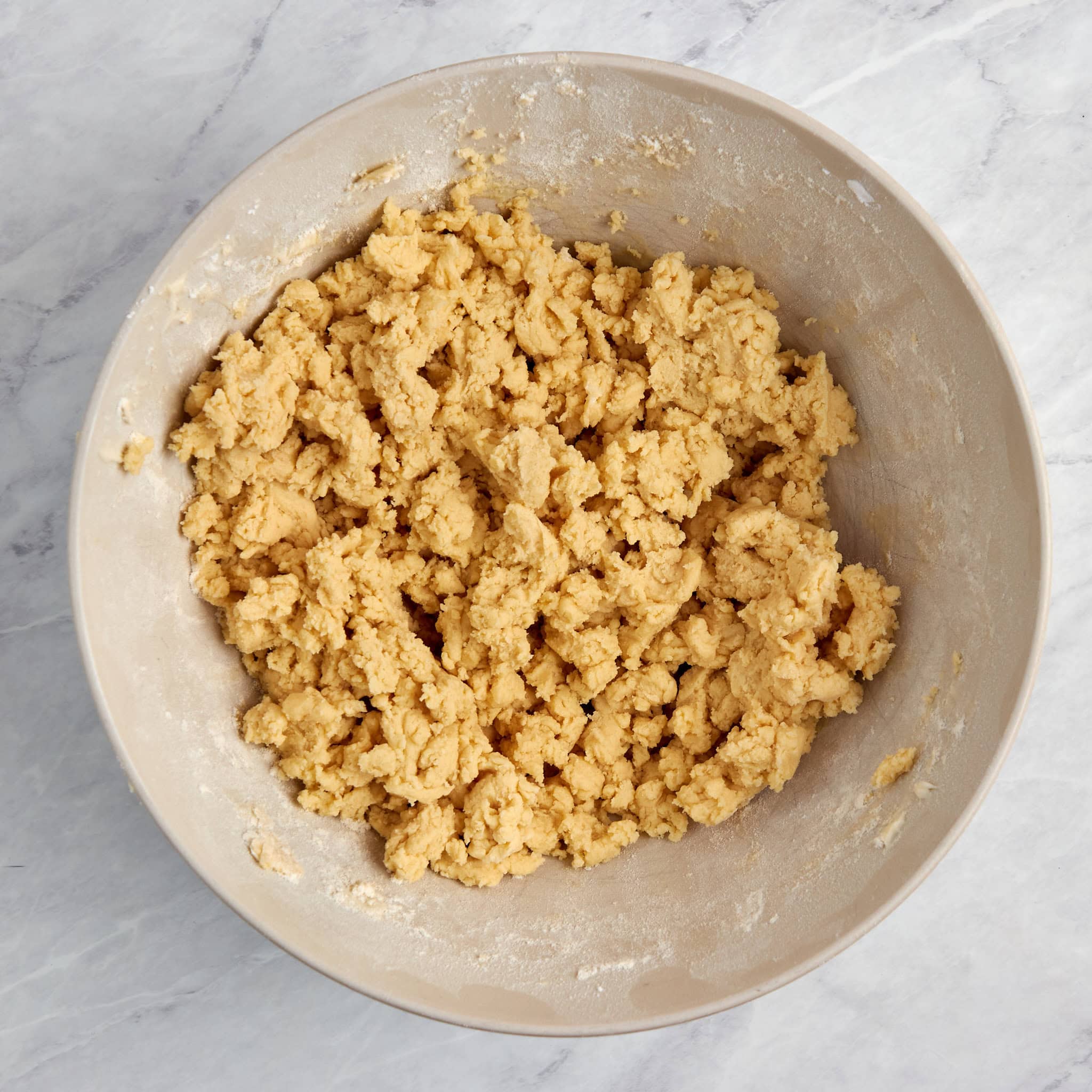
Mix in the egg and vanilla until thoroughly combined, then add the flour and mix on low until the dough just comes together. It will look soft and slightly crumbly, which is normal.
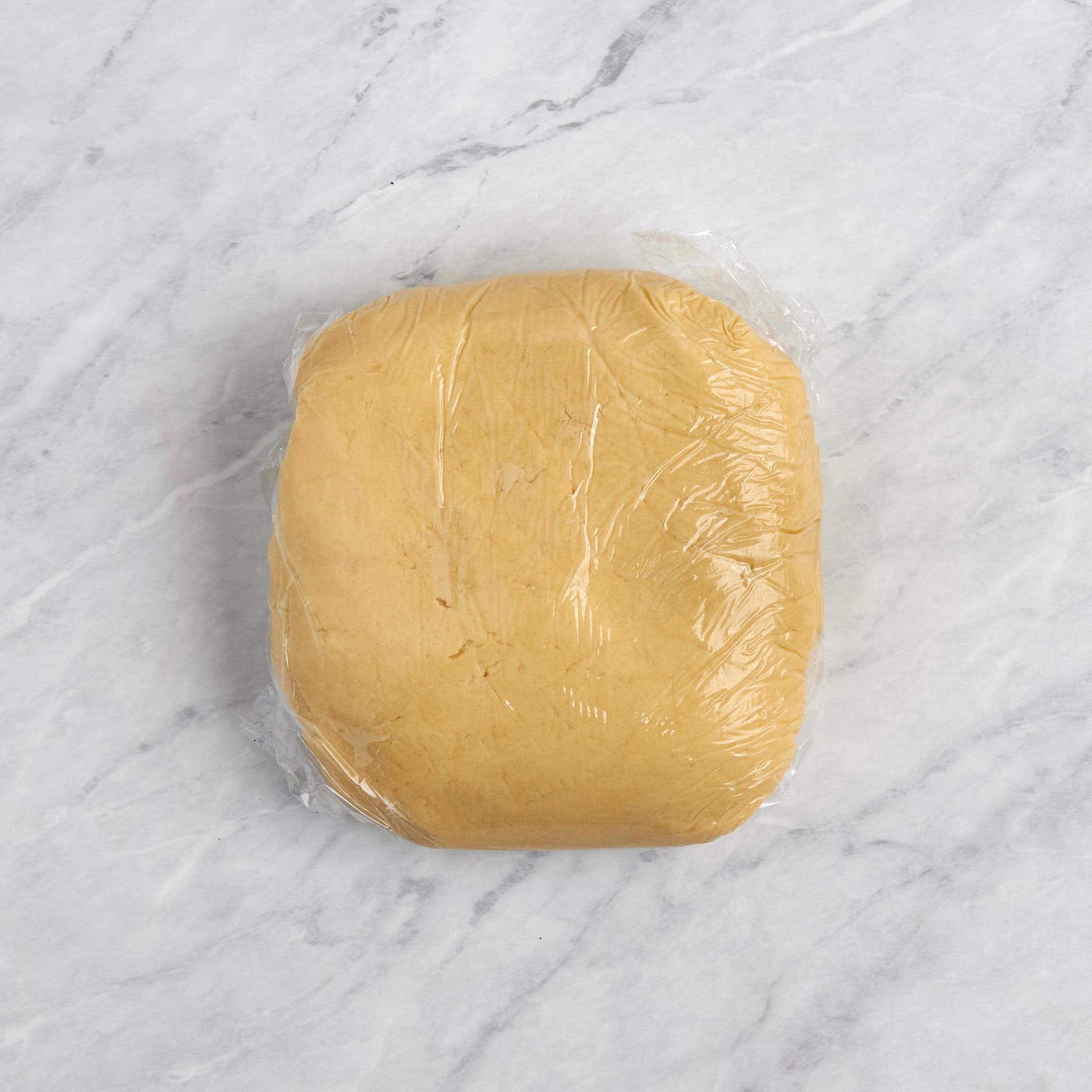
Turn it out onto plastic wrap, press it into a flat disc, wrap it up, and refrigerate for at least 1 hour. When you’re ready to bake, let the dough sit on the counter for 10 minutes before rolling. Cold dough cracks.
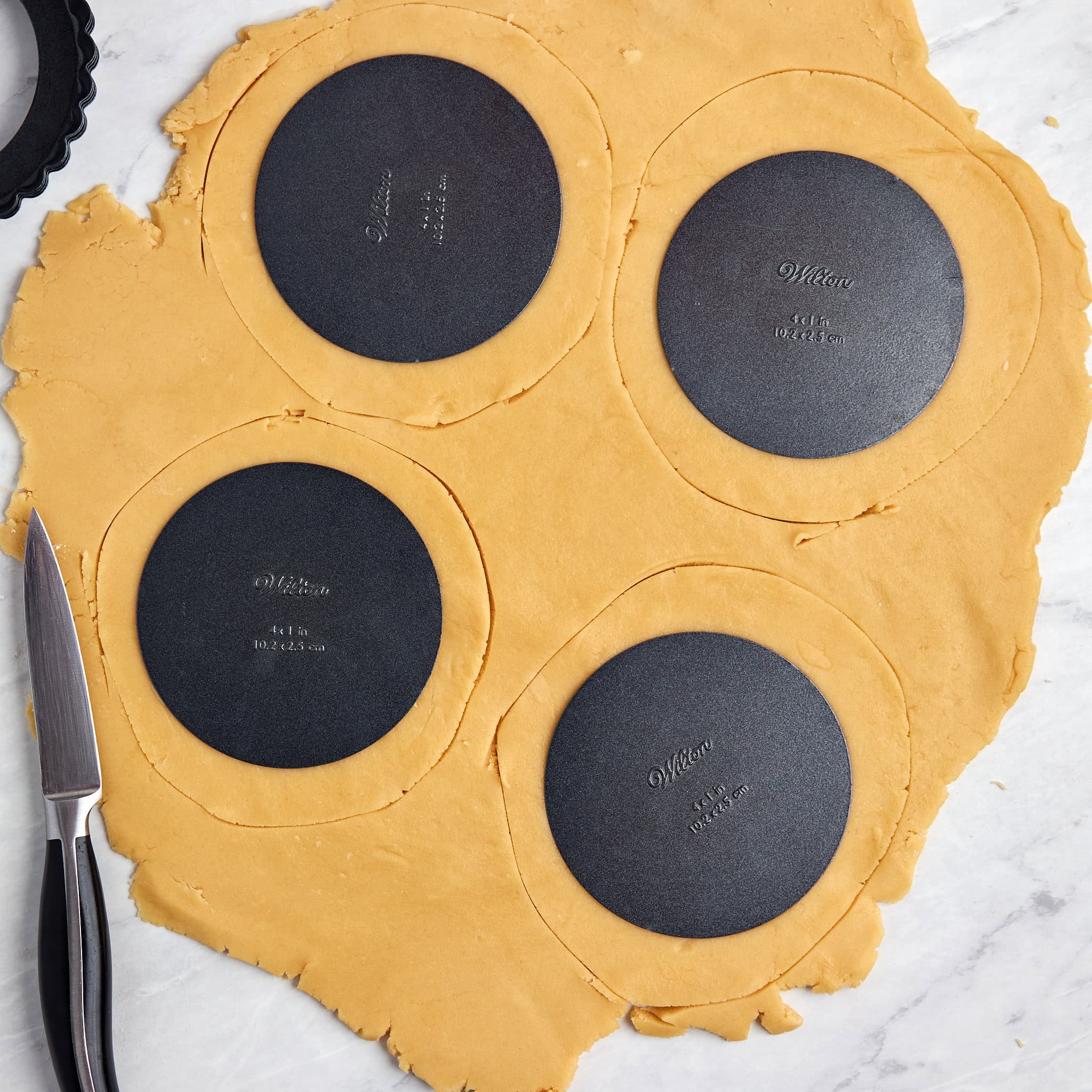
On a lightly floured surface, roll to ⅛-¼ inch thick, then cut circles about 1 inch larger than your 4-inch tart pans. The circles don’t need to be perfect, since we will remove the excess before baking. If the dough is sticking to the rolling pin, you can lightly flour it, too.
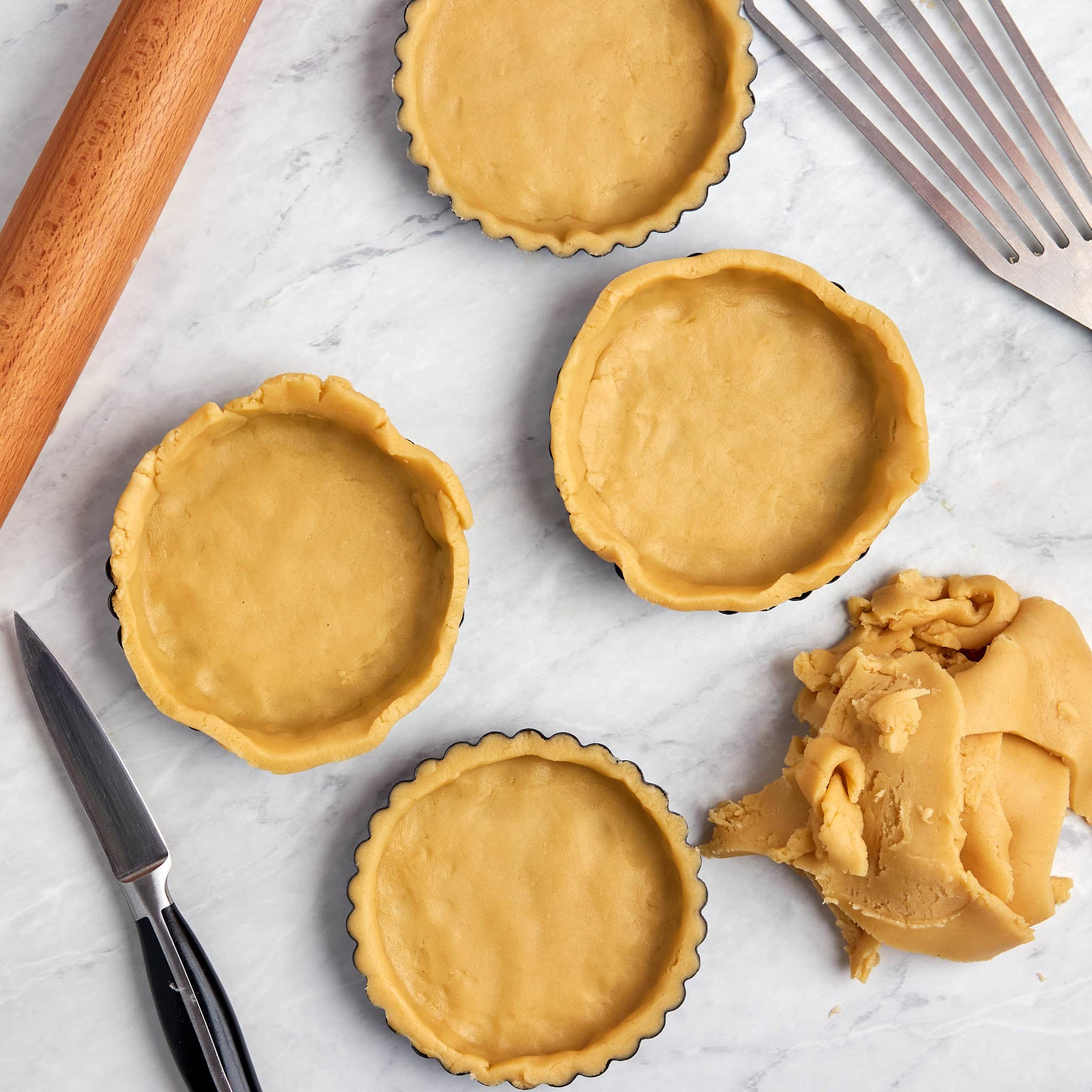
Press the dough into the bottoms and sides of the pans, then roll a rolling pin over the top edge to trim the excess cleanly. Prick the bottoms all over with a fork, line with foil, and fill with pie weights. If the dough is too soft, you can place it in the freezer for 6 to 7 minutes to firm it up before baking.
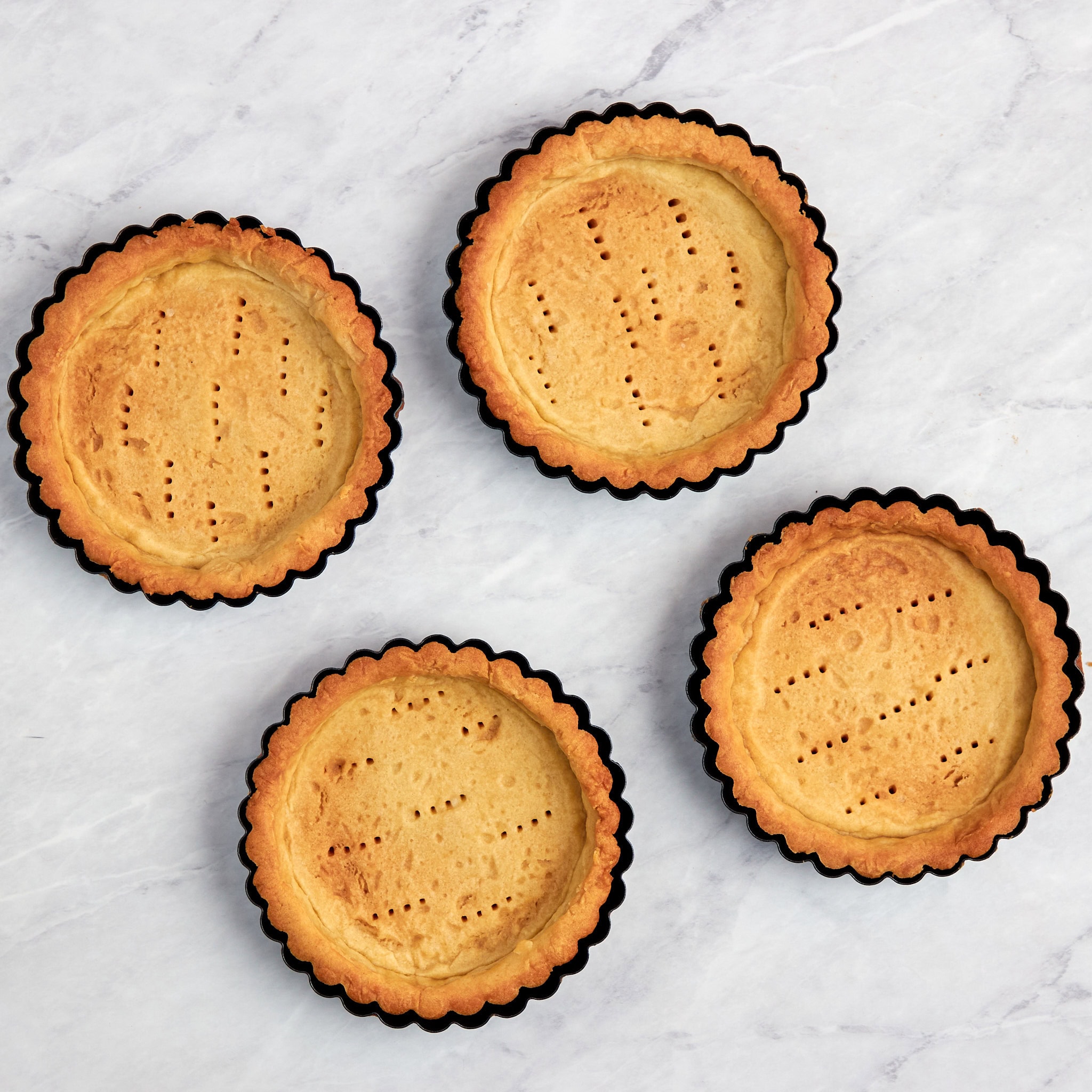
Place the tarts on a cookie or baking sheet, then bake at 350°F for 15 minutes. Remove the foil and pie weights, and bake for another 10 minutes until the edges are golden brown and the bottoms look dry and set. If the base looks pale, give it another 2 to 3 minutes. Cool for 5 to 10 minutes in the pans before unmolding, then cool completely on a rack before filling. Note: the pie weights will be hot, so use caution when removing them from the tart shells.
Pro-Tip
Working with the tart dough. The dough will feel soft and pliable, similar to Play-Doh. Use a thin spatula to help lift it from the counter. If it rips or tears when pressing it into the pans, patch it with a small piece of the extra dough and press it back together.
Step 2 – Make the Lemon Filling
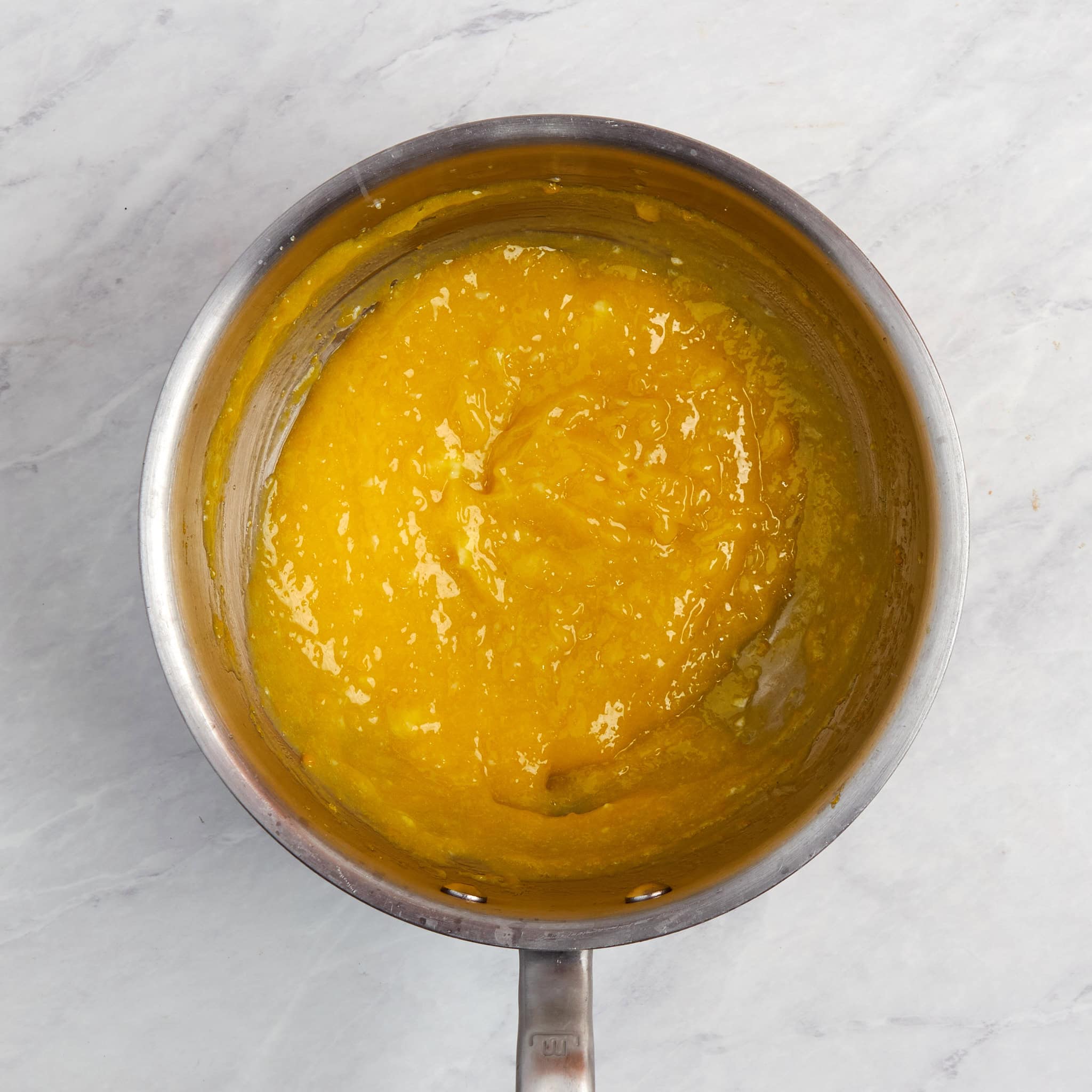
Combine the egg, yolks, sugar, lemon juice, and zest in a small saucepan and cook over medium heat, stirring constantly. The curd will look thin and loose at first. After about 7-8 minutes, it will thicken to a custard-like consistency and coat the back of a spoon, holding a clean line when you drag your finger through it. That’s when it’s ready.
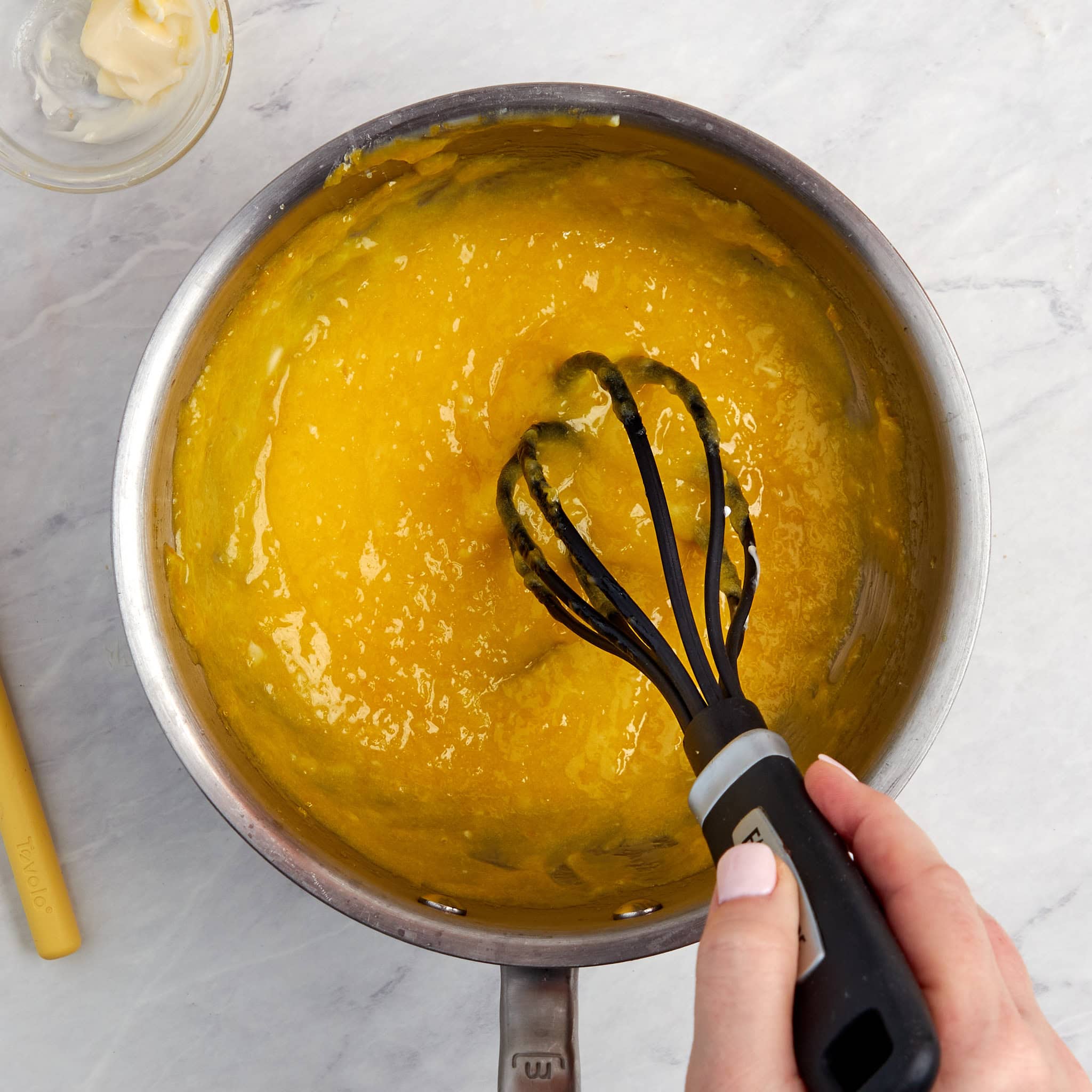
Pull the pan off the heat and stir in the butter one cube at a time, letting each piece melt fully before adding the next.
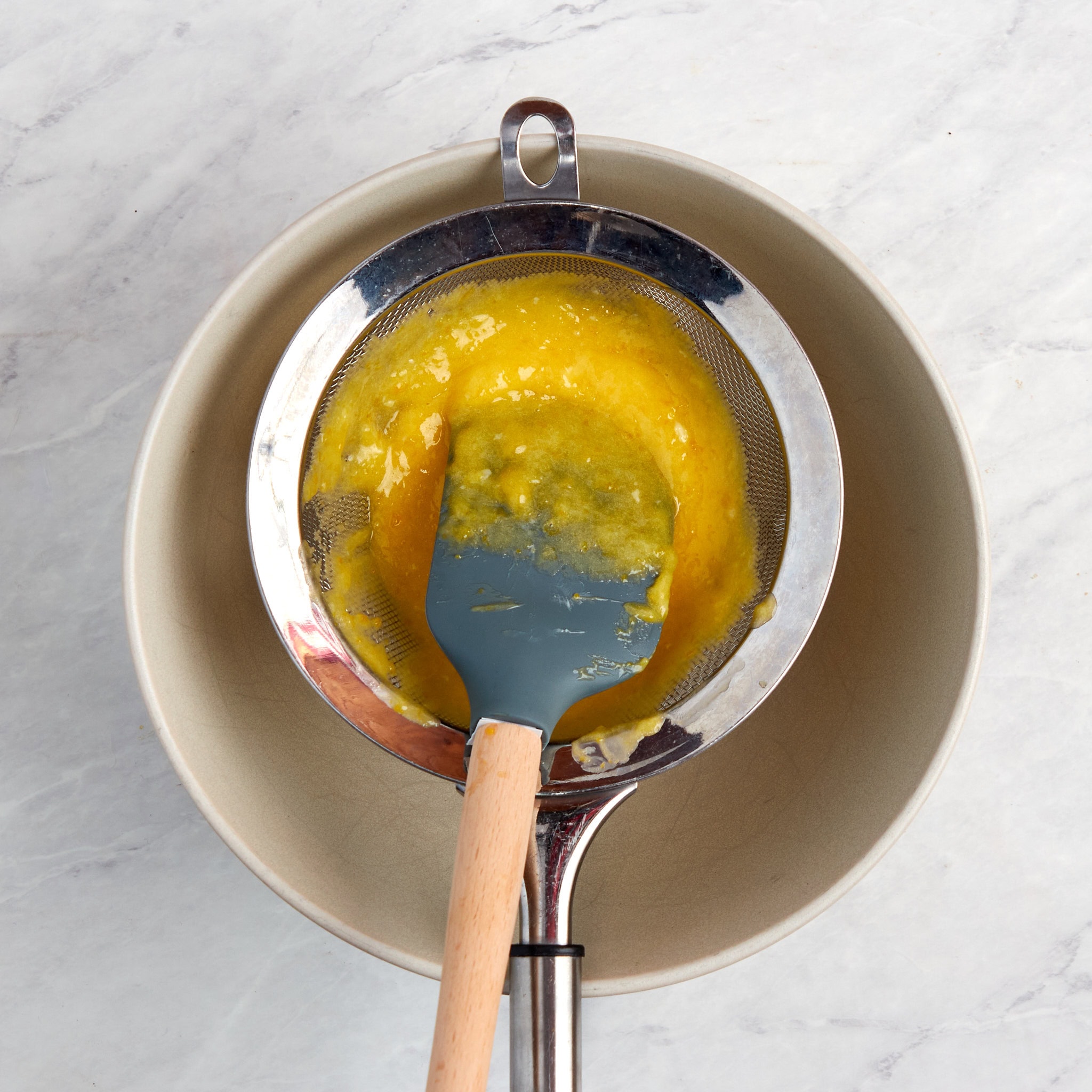
Strain through a fine mesh sieve into a clean bowl, then press plastic wrap directly onto the surface to prevent a skin from forming. Scrape the bottom of the sieve to remove any remaining curd.
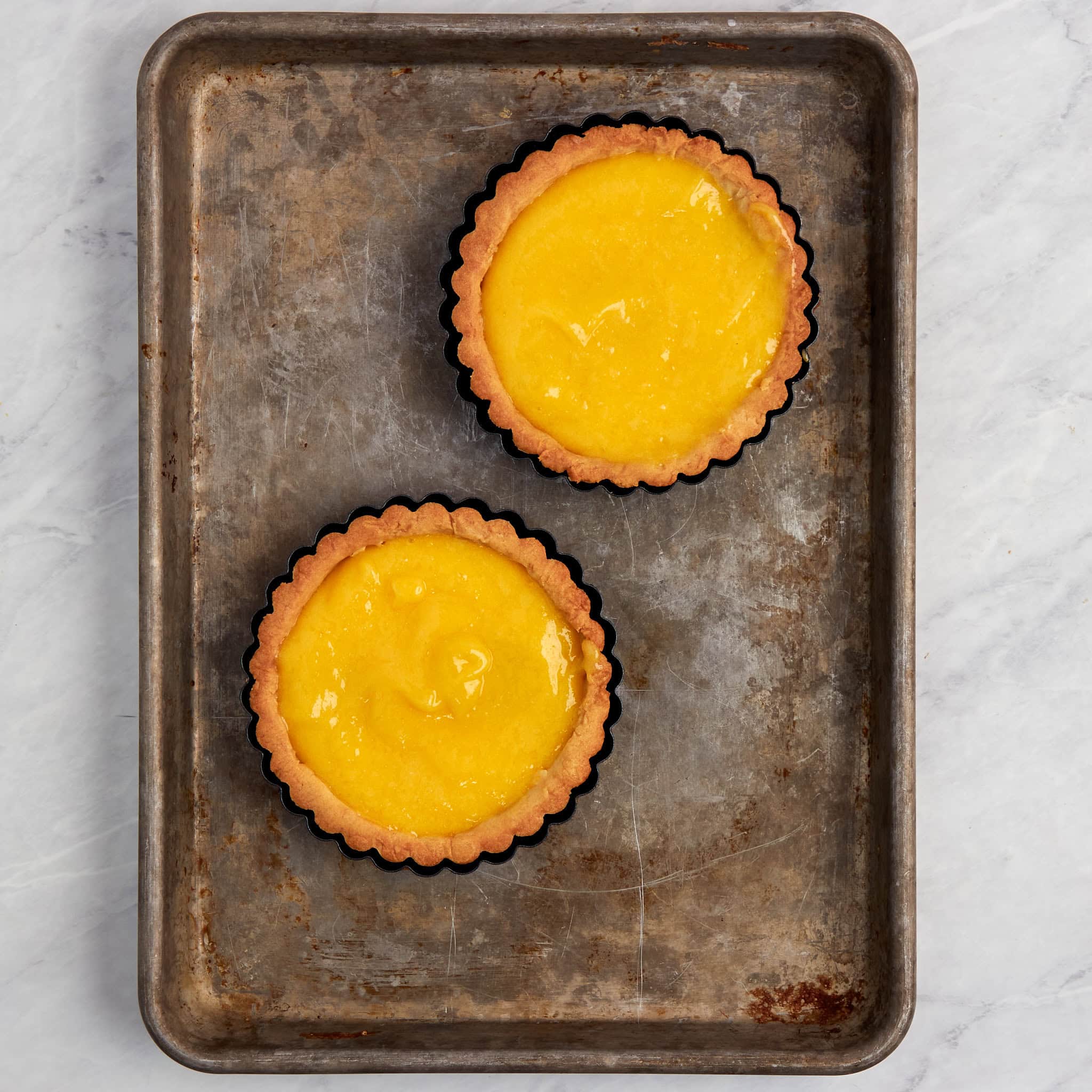
Once it has reached room temperature, spoon it into the cooled tart shells and refrigerate for at least 4 hours, until fully set.
Pro-Tip
Don’t skip straining. Even with constant stirring, there are almost always a few bits of cooked egg, and straining takes 30 seconds.
Step 3 – Prepare the Meringue
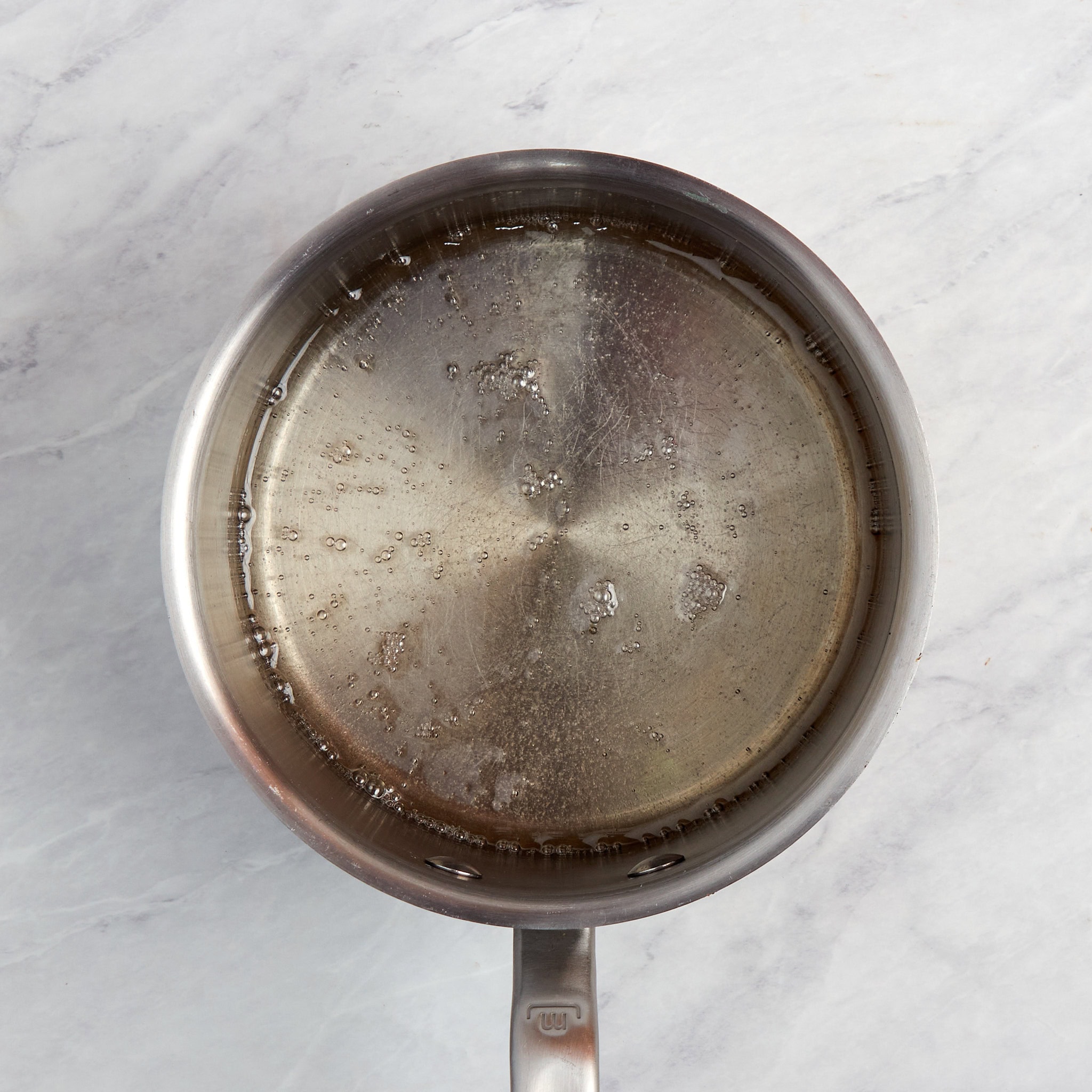
Combine the sugar and water in the saucepan over medium heat and bring to a boil. Do not stir the sugar-water mixture. At the same time, fit your stand mixer with the whisk attachment and begin whipping the egg whites on medium speed. When the syrup reaches 230°F, increase the mixer to high. When it hits 242°F, remove the sugar syrup from the heat and let the boil slow slightly before pouring.
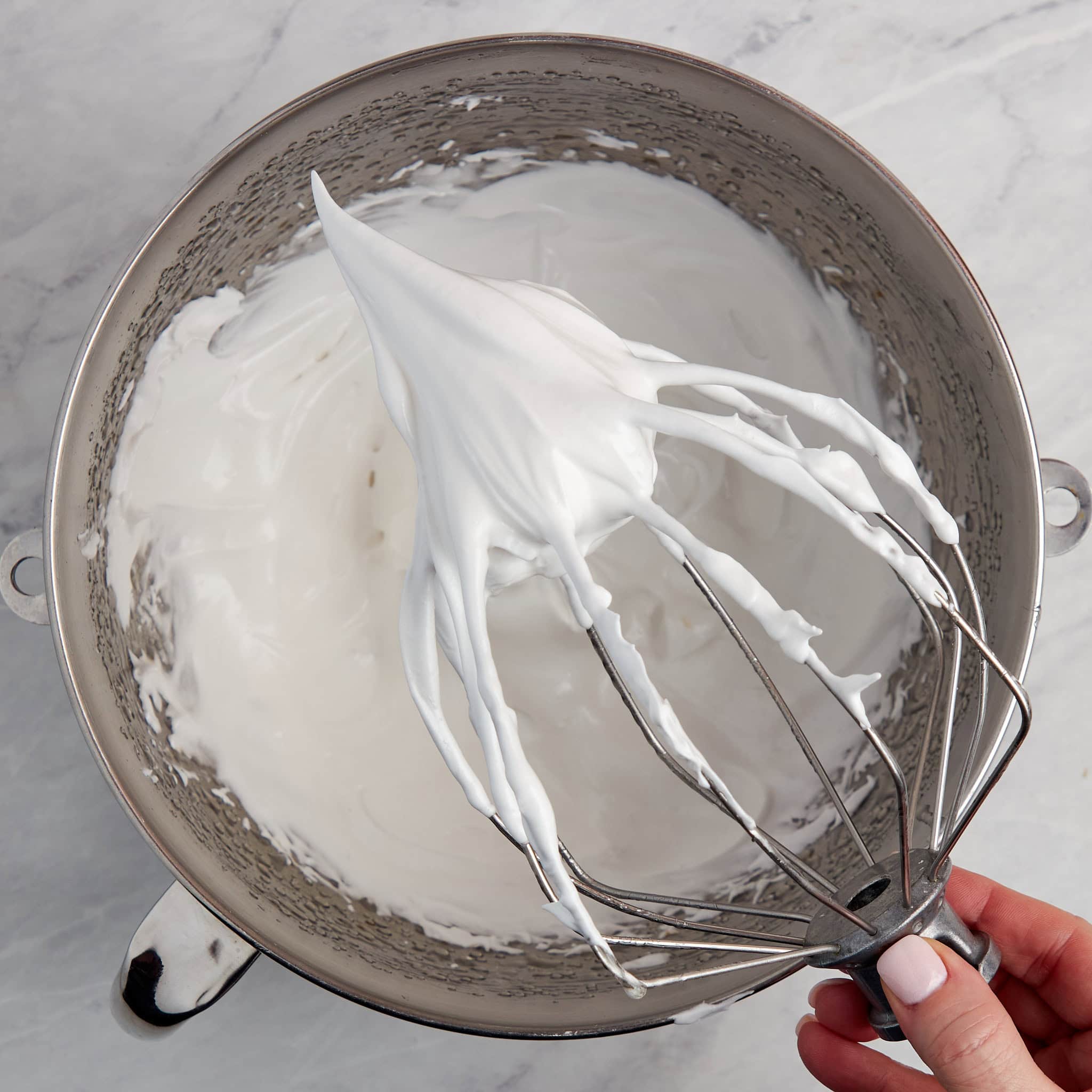
With the mixer running on high, pour the syrup in a thin, steady stream down the side of the bowl into the whipping whites. Immediately add the cream of tartar, lemon juice, and vanilla. Continue whipping until the bowl feels just slightly warm and the meringue holds stiff, glossy peaks, about 5 to 7 minutes.
Pro-Tip
Wipe down all the equipment. Before you start, wipe down your saucepan, mixer bowl, whisk attachment, and thermometer with white vinegar. Any trace of grease will prevent the whites from whipping properly, and this takes 30 seconds.
Step 4 – Assemble the Tart
Pipe or spoon the meringue over the chilled, set lemon filling.
Toast with a kitchen torch, moving in slow, even passes until the meringue is evenly golden. Serve immediately or refrigerate, uncovered, for up to 2 hours before serving.

Make-Ahead and Storage
Make-Ahead: The tart shells can be baked up to 2 days in advance and stored at room temperature in an airtight container. The lemon curd can be made up to 3 days ahead and stored in the refrigerator with plastic wrap pressed directly onto the surface. The Italian meringue can also be made up to 2 days ahead and stored in an airtight container in the refrigerator. Fill the shells and refrigerate for at least 4 hours before adding the meringue. Toast the meringue the same day you plan to serve.
How to Store: Store assembled tarts loosely covered in the refrigerator for up to 2 days; the meringue will soften, and the crust may lose some crispness over time. Unfilled tart shells can be frozen for up to 1 month; wrap them individually and thaw at room temperature before filling. We don’t recommend freezing assembled tarts.

Frequently Asked Questions

More Dessert Recipes To Try
Looking for more indulgent dessert recipes? Try these other favorites:
- Dark Chocolate Tarts – Rich, bittersweet chocolate tarts in a buttery chocolate shortbread crust with a layer of fresh raspberry puree.
- Crème Brûlée Cheesecake – A creamy, tangy cheesecake topped with a crackly caramelized sugar crust.
- Classic Lemon Bars with Shortbread Crust – These bars have a buttery shortbread crust, fresh lemon juice, and a bright, tangy filling that slices into perfect squares every time.
Let’s Connect! If you make this recipe or any other recipe on Casual Epicure, please don’t forget to rate the recipe and leave a comment below. It helps others who are considering making our recipes and we love hearing about your cooking experiences. And if you snapped some shots, share them on Instagram, and be sure to tag @casual.epicure so we can feature them in our stories.
Lemon Meringue Tarts
Want To Save This Recipe For Later?
Equipment
- 4 4-inch Tart Pan
- Large Bowl
- Stand Mixer, with whisk attachment
- Rolling Pin
- Small Saucepan (1-2 Quarts)
- Fine Mesh Strainer
- Medium Bowl
- Culinary Torch
Ingredients
Crust
- 350 grams all-purpose flour
- 170 grams unsalted butter, softened
- 120 grams powdered sugar
- 1 large egg, room temperature
- 1 teaspoon vanilla extract
- ½ teaspoon kosher salt
Lemon Curd
- 2 large whole eggs
- 4 large egg yolks
- 150 grams granulated sugar
- 2 lemons, juiced
- 2 tablespoons lemon zest
- 100 grams unsalted butter, softened and cubed
Italian Meringue
- 2 large egg whites
- 142 grams granulated sugar
- 45 grams water
- ¼ teaspoon cream of tartar
- 2 teaspoons lemon juice
- ½ teaspoon vanilla extract
Instructions
Crust
- Beat softened butter with an electric mixer until creamy. Add powdered sugar and salt and mix on low until combined. Scrape down the side of the bowl as needed.
- Mix in egg and vanilla until thoroughly combined.
- Add the flour and mix on low until just combined, forming a soft, crumbly dough.
- Turn out onto plastic wrap, press into a flattened disc, wrap, and chill for at least 1 hour.
- Preheat oven to 350°F. Let the dough sit on the counter for 10 minutes before rolling. On a lightly floured surface, roll to ⅛ – ¼ inch thick and cut circles about 1 inch larger than your tart pans.
- Press dough into the bottoms and sides of four 4-inch tart pans. Roll a rolling pin over the top edges to trim excess. Prick the bottoms with a fork. Line with foil and fill with pie weights.
- Place the tarts on a cookie or baking sheet, then bake at 350°F for 15 minutes. Remove the foil and weights and bake for another 10 minutes, until the edges are golden brown. Cool for 5 to 10 minutes before removing from pans. Cool completely before filling. Wrap any remaining dough tightly and freeze for another use. Note: the pie weights will be hot, so use caution when removing them from the tart shells.
Lemon Curd
- In a small saucepan, stir together the egg, yolks, sugar, lemon juice, and zest. Heat over medium heat, stirring constantly, until the mixture thickens to a custard-like consistency, about 7-8 minutes.
- Remove from the heat and stir in the butter, one cube at a time, until fully melted and incorporated.
- Strain through a fine mesh sieve into a bowl. Press plastic wrap directly onto the surface and cool to room temperature. Spoon filling into each tart shell until full. Chill for at least 4 hours until set.
Italian Meringue
- Wipe down your saucepan, mixer bowl, whisk attachment, and thermometer with white vinegar. Combine sugar and water in the saucepan over medium heat. Do not stir the sugar-water mixture. In a stand mixer fitted with the whisk attachment, begin whipping egg whites on medium speed. When the syrup reaches 230°F, increase the mixer speed to high. When the syrup reaches 242°F, remove it from the heat and let the boiling slow slightly before pouring.
- With the mixer running on high, slowly pour the syrup in a thin stream down the side of the bowl into the whipping whites. Immediately add the cream of tartar, lemon juice, and vanilla. Continue whipping until the bowl feels just slightly warm and the meringue is stiff, glossy, and holds firm peaks.
Assembly
- Pipe or spoon meringue over the chilled lemon filling. Toast with a kitchen torch until evenly golden. Serve immediately, or refrigerate, uncovered, for up to 2 hours before serving.