
Store-bought BBQ rubs are convenient, but homemade is so much better. This homemade BBQ seasoning is a simple dry rub made with pantry spices like brown sugar, paprika, salt, pepper, garlic, and onion, and it comes together in about five minutes. The combination of brown sugar, smoked paprika, and black pepper creates that classic BBQ flavor without any fillers or additives you can’t pronounce

Want To Save This Recipe For Later?
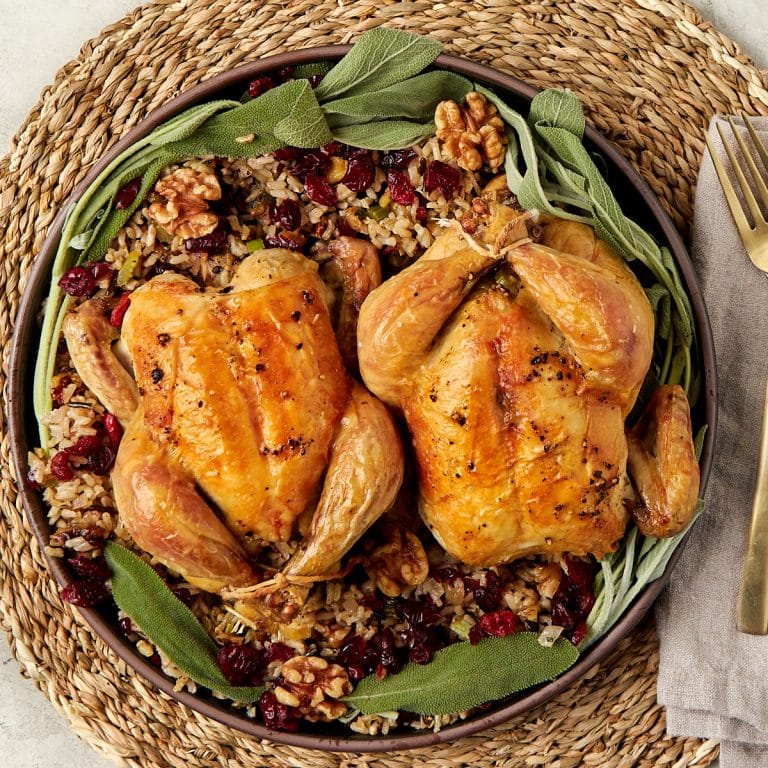
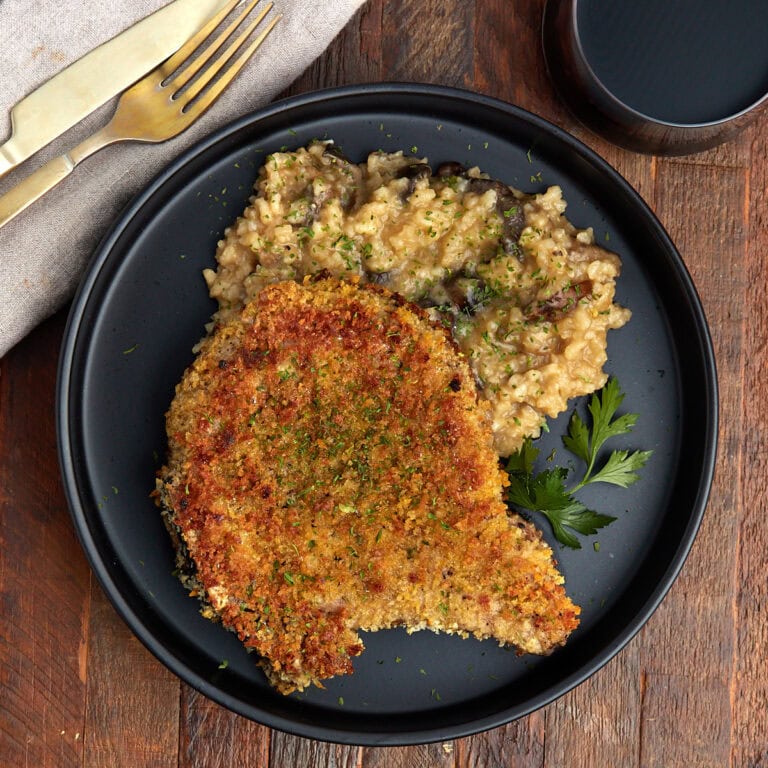
This BBQ dry rub works on everything from oven-baked boneless chicken thighs to ribs, pulled pork, or grilled vegetables. You can use it for anything you make in the oven, on the grill, in the smoker, or in the air fryer, which is why we keep a jar in the pantry year-round.
Why Homemade BBQ Dry Rub Beats Store-Bought
Making your own BBQ seasoning gives you complete control over what goes into your food. Store-bought rubs often contain anti-caking agents, preservatives, and excess salt that can overpower the other flavors. When you make it yourself, you know exactly what you’re eating.
The flavor is fresher, too. Pre-mixed rubs can sit on shelves for months, losing their potency. Grinding or mixing spices fresh means more intense flavor in every bite. You can adjust the sweetness, heat, and smokiness to match what you’re cooking or your personal preference.
Cost is another factor. A small bottle of quality BBQ rub can run $8-12, but this recipe costs less than half that and makes about a cup. You’re paying for actual spices, not marketing or packaging.
Key Ingredients and Substitutions
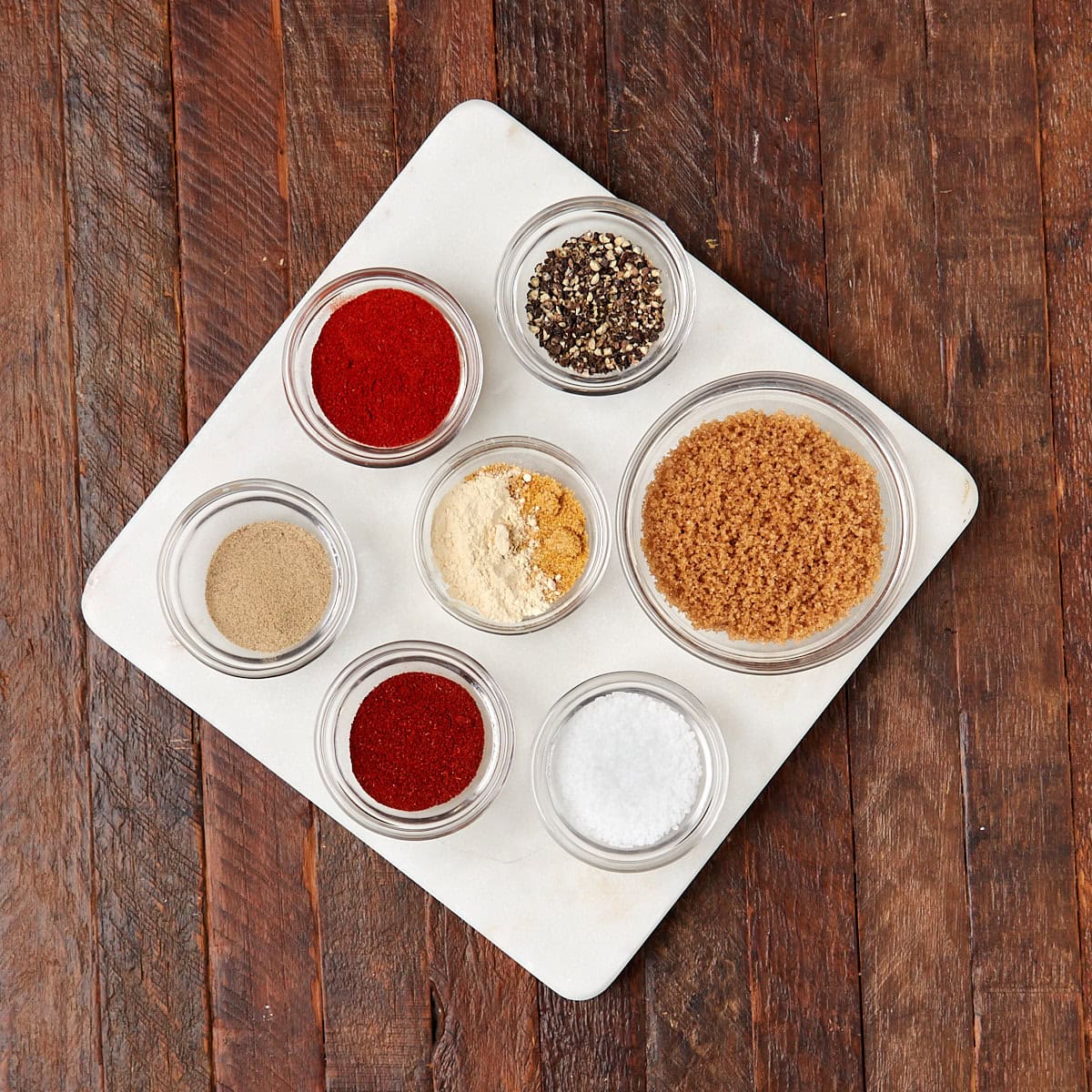
This BBQ dry rub uses eight pantry staples to create layers of sweet, smoky, and savory flavor.
The complete ingredient list and measurements are listed in the printable recipe below.
- Brown Sugar: To get that signature caramelized BBQ crust, you need sugar. Brown sugar melts into the meat as it cooks, creating a sweet glaze that balances the other spices. You can use light or dark brown sugar. Dark has a stronger molasses flavor, and light is more subtle. If you need to cut the sweetness, reduce it to 2-3 tablespoons.
- Hungarian Paprika: This adds a mild, sweet pepper flavor and that classic red BBQ color. Hungarian paprika is sweeter and less bitter than Spanish varieties. If you only have Spanish paprika, it will work fine, but it might add a slightly sharper flavor. Don’t skip this ingredient, as it makes up a large portion of the rub.
- Smoked Paprika: Made from peppers dried over oak fires, it adds a deep, smoky layer to the rub. If you don’t have smoked paprika, you can use all regular paprika, but you’ll lose some of that BBQ depth.
- Kosher Salt: Salt draws moisture to the surface of the meat, helping the rub stick and creating a better crust. Kosher salt has larger crystals than table salt, which means it’s less salty by volume. If you’re using table salt, reduce the amount to about 1½ teaspoons to avoid over-salting.
- Black Pepper and White Pepper: These add heat and depth. Black pepper gives you that visible speckled look and sharp bite. White pepper adds heat without darkening the rub. The combination creates a more complex pepper flavor than using just one.
- Granulated Onion Powder and Garlic Powder: Check that you’re using granulated powder, not onion or garlic salt. The granulated versions blend better and won’t add extra sodium. Fresh garlic and onion won’t work here, as they won’t adhere and will burn during cooking.
How to Apply BBQ Dry Rub Like a Pro
Getting the rub to stick properly and knowing when to apply it makes the difference between good BBQ and great BBQ.
Prep the Meat
Start with dry meat. Pat it thoroughly with paper towels to remove any surface moisture. Wet meat won’t hold the rub as well, and you’ll end up with uneven seasoning and poor browning. This step takes less than a minute but makes a real difference.
How Much Rub to Use
It’s called a rub for a reason, so be generous. You want to make sure the protein is fully coated. Don’t be shy with it, but don’t let it clump either. The goal is an even coating that covers the surface. A good general rule of thumb is 1 tablespoon per pound of meat. Thinner cuts like chicken breasts need less, while thicker cuts such as pork shoulder or brisket can handle more. Apply the rub by sprinkling it evenly over the meat, then pat it gently into the surface. Don’t rub aggressively, or you’ll tear the meat. Just press it in enough so it sticks.
Resting Time
Giving the rub time to sit on the protein makes a noticeable difference in both flavor and texture. At a minimum, let the seasoned meat rest for 30 to 60 minutes before cooking. This gives the salt time to begin penetrating the protein, resulting in more even seasoning.
For best results, especially with larger cuts or bone-in pieces, plan for 4 to 24 hours in the refrigerator. This longer rest allows the seasoning to penetrate deeper, building richer flavor rather than staying on the surface.
When refrigerating proteins like chicken, there’s an added benefit. The cool, dry environment helps draw moisture away from the skin, producing crisper skin during cooking, whether you’re roasting, grilling, or air-frying.
If resting overnight, place the meat uncovered or loosely covered on a wire rack set over a baking sheet to allow air to circulate.
How to Store Homemade Dry Rub
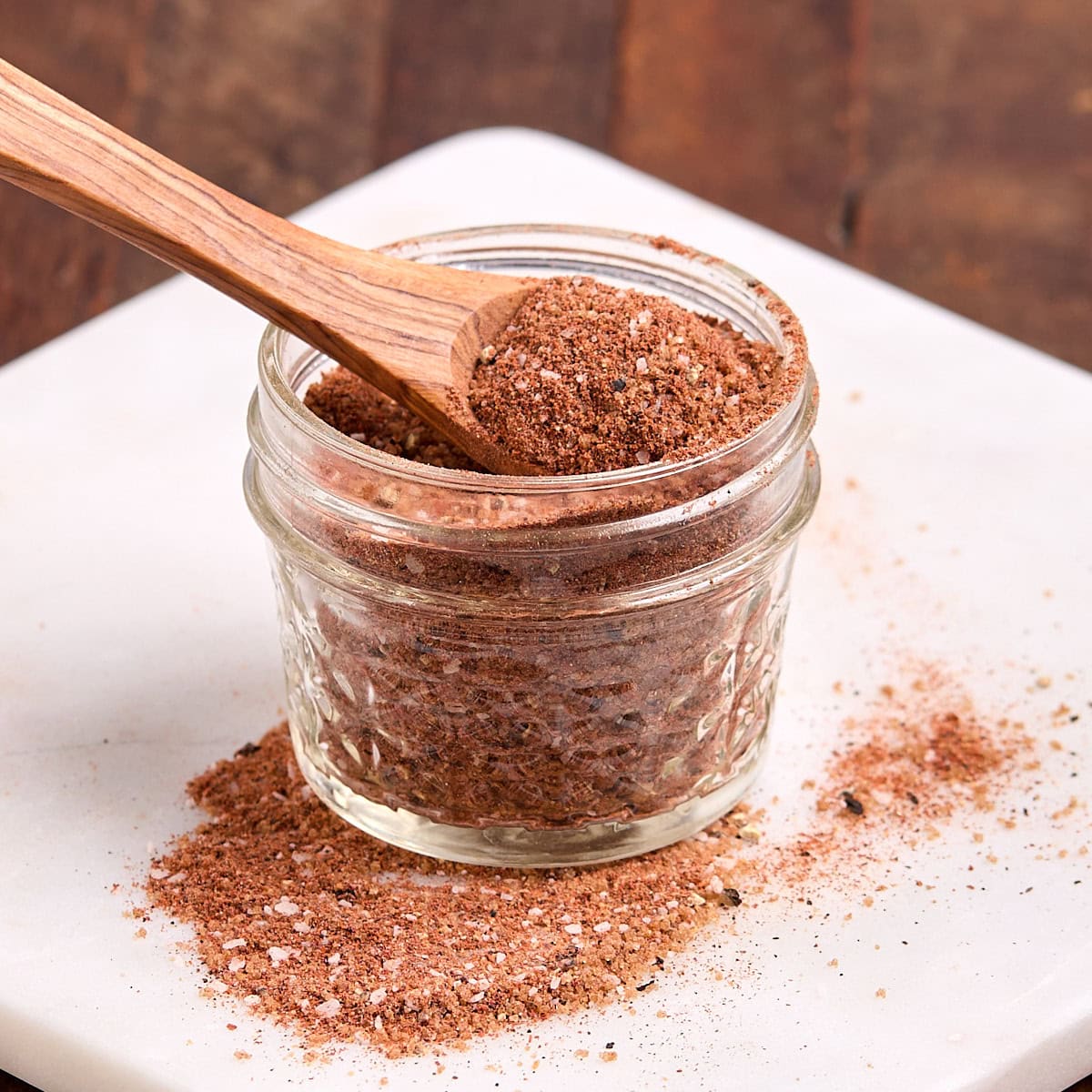
Store the dry rub in an airtight container or jar in a cool, dark place, such as your spice cabinet. It will stay fresh for up to 6 months. The brown sugar can clump over time, especially in humid environments. If this happens, break up the clumps with a fork.
Recipe Tips and Notes
- Control the sweetness. If you’re worried about the sugar burning or prefer a less sweet rub, start with 2 tablespoons of brown sugar instead of ¼ cup. You can always add more next time.
- Make it your own. This base recipe is a starting point. Add cayenne or chipotle powder for heat, ground mustard for tang, or a pinch of cinnamon for depth. Adjust the ratios until you find your perfect blend.
- Mix it thoroughly. Use a whisk or shake it in a jar to evenly distribute all the spices. You don’t want bites that are all sugar or all salt.
- Label and date your jars. Write the date you made it on the container, so you know when to make a fresh batch. Spices lose potency over time.
Let’s Connect! If you make this recipe or any other recipe on Casual Epicure, please don’t forget to rate the recipe and leave a comment below. It helps others who are considering making our recipes and we love hearing about your cooking experiences. And if you snapped some shots, share them on Instagram, and be sure to tag @casual.epicure so we can feature them in our stories.
Homemade BBQ Seasoning (Dry Rub)
Want To Save This Recipe For Later?
Equipment
- Small Bowl
Ingredients
- ¼ cup brown sugar
- 2 tablespoons Hungarian paprika
- 1 tablespoon smoked paprika
- 1 tablespoon kosher salt
- 2 teaspoons ground black pepper
- 1 teaspoon white pepper
- 1 teaspoon granulated onion powder
- 1 teaspoon granulated garlic powder
Instructions
- In a small bowl, combine brown sugar, Hungarian paprika, smoked paprika, kosher salt, black pepper, white pepper, onion powder, and garlic powder.
- Whisk together until all ingredients are evenly distributed and no clumps remain.
- Transfer to an airtight jar or container for storage.
- To use, apply 1-2 tablespoons of rub per pound of meat, then gently pat it into the surface. For best results, let the rub sit on the meat for at least 30 minutes before cooking, or refrigerate for up to 24 hours for deeper flavor.