
There’s something irresistible about the scent of butter gently sizzling in a pan. In just a few minutes, it turns golden and nutty, creating brown butter. It’s one of the simplest ways to add deep flavor to everything from cookies to pasta.

Want To Save This Recipe For Later?
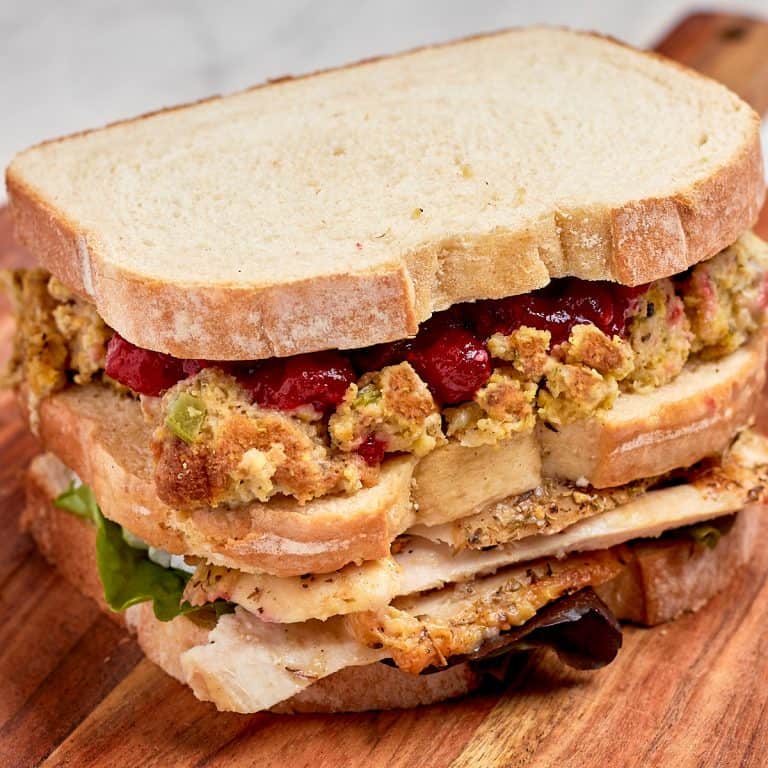
We love using brown butter in both sweet and savory dishes. It adds warmth to chewy ginger molasses cookies, brings richness to brown butter banana bread, and makes whipped sweet potatoes with brown butter and sage taste like the holidays. Whether you drizzle it over vegetables, stir it into baked goods, or spoon it over roasted meats, this one-ingredient upgrade always adds something special. All you need is butter, a pan, and less than ten minutes.
What Is Brown Butter?
Brown butter, or beurre noisette in French, means “hazelnut butter.” As butter melts and cooks, the water evaporates, and the milk solids settle to the bottom of the pan. Those solids toast and turn golden, creating a nutty aroma and rich caramel-like flavor.
How Browning Changes the Flavor
As the butter heats, a Maillard reaction occurs. The milk solids caramelize, developing new flavor compounds. That’s what gives brown butter its toasted aroma and deeper taste. The longer the solids cook without burning, the more complex the flavor becomes.
What Makes Brown Butter Different from Melted Butter
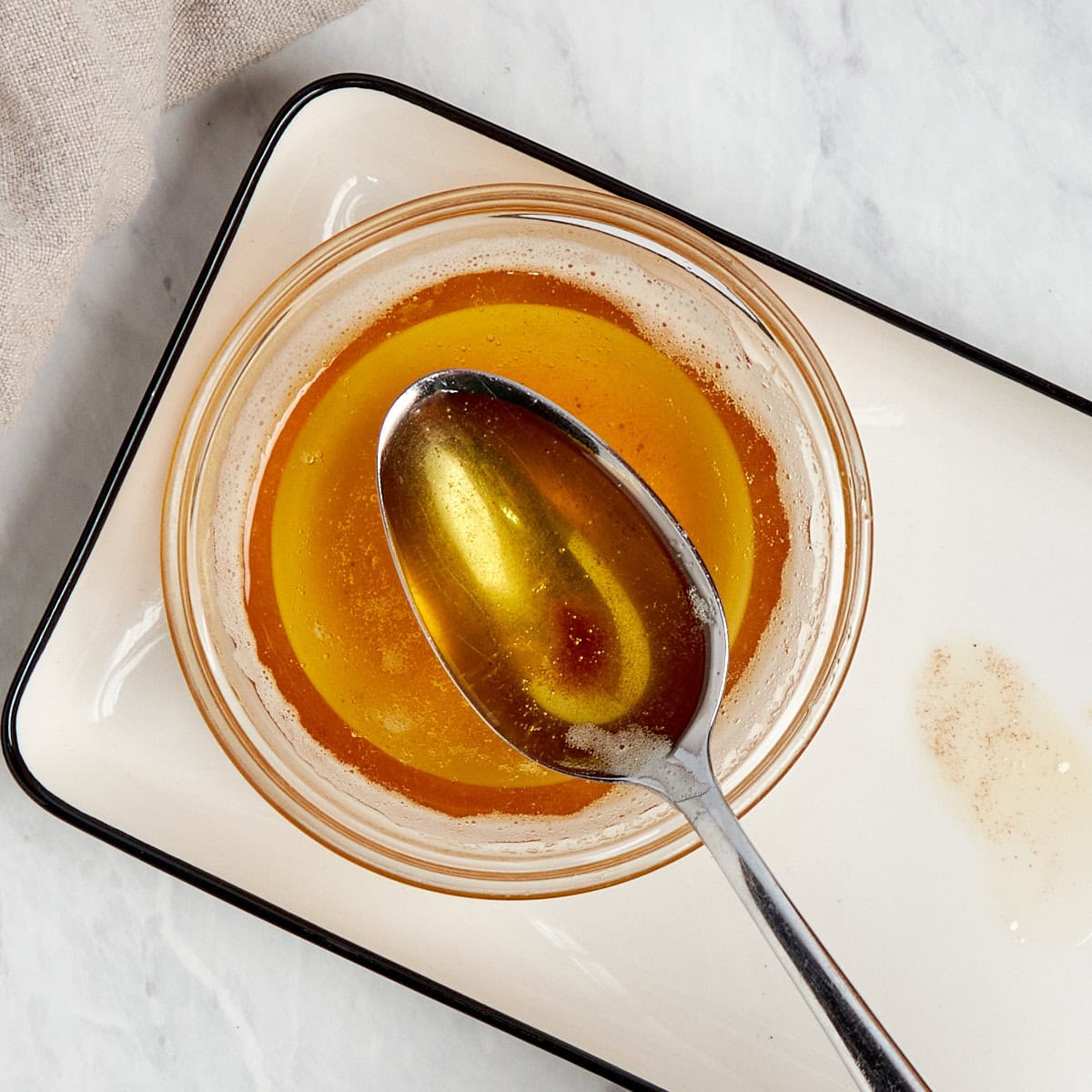
Melted butter is simply liquid butter. Brown butter cooks longer, allowing the milk solids to toast, creating visible golden flecks and a rich, nutty aroma. Regular melted butter tastes mild, while brown butter adds depth and warmth.
Key Ingredients and Substitutions
This recipe only needs one ingredient, but quality matters.
In the printable recipe below, you can find a complete list of ingredients and measurements.
- Unsalted butter: Use unsalted butter for full control over the flavor. Salted butter can brown unevenly and taste slightly saltier once the water cooks off. Higher-fat butters, like many European-style varieties, have more milk solids and produce a richer flavor. Standard unsalted butter works perfectly well for everyday cooking.
How to Make Brown Butter
Here are the quick, step-by-step instructions with visuals; you can find the full instructions, including the exact ingredients, in the recipe card below.
Pro-tip: Use a light-colored pan so you can easily see the color change. Dark pans hide browning and increase the risk of burning.
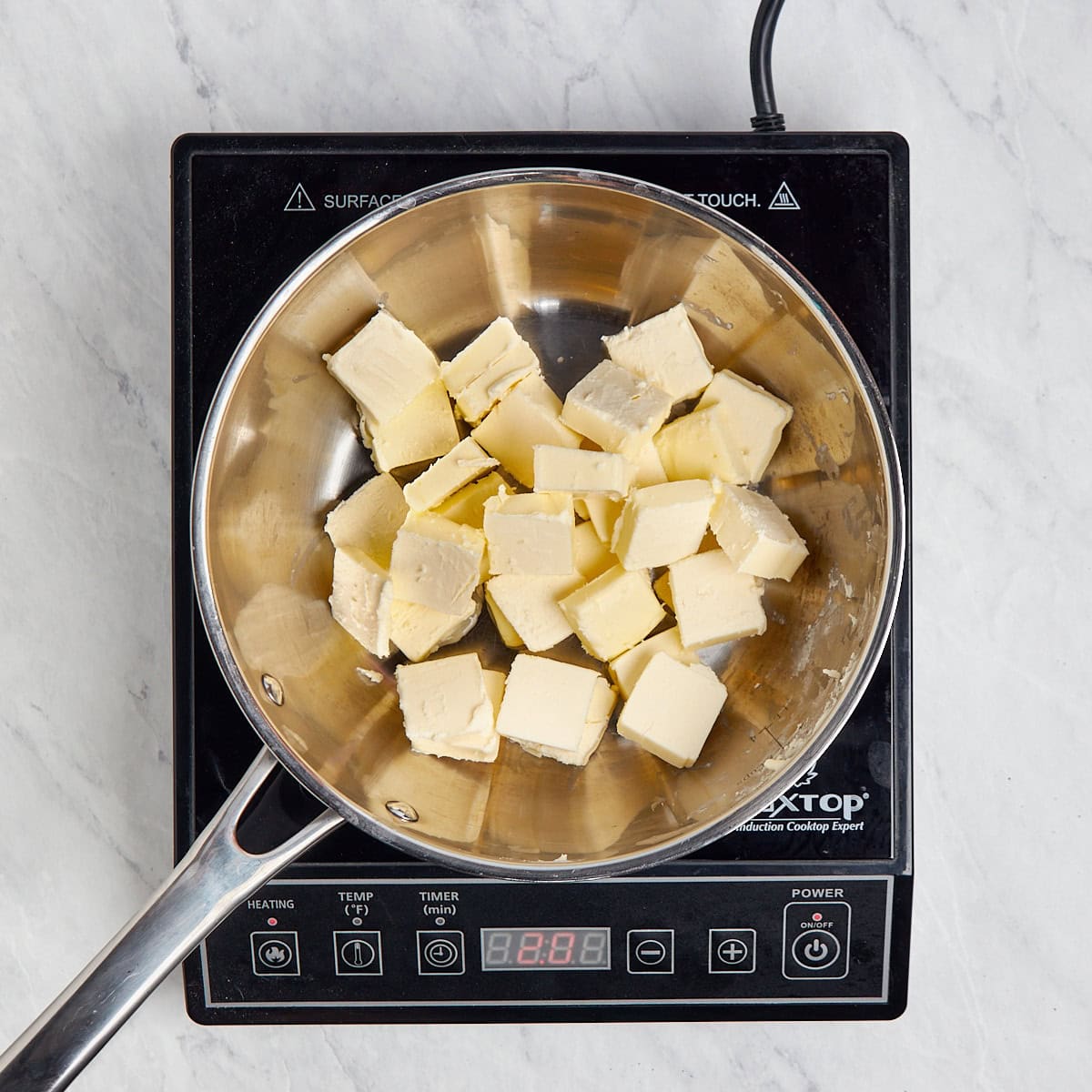
1. Start with cold butter. Cut butter into tablespoon-sized pieces and add them to a light-colored saucepan. Smaller pieces melt evenly, preventing scorching.
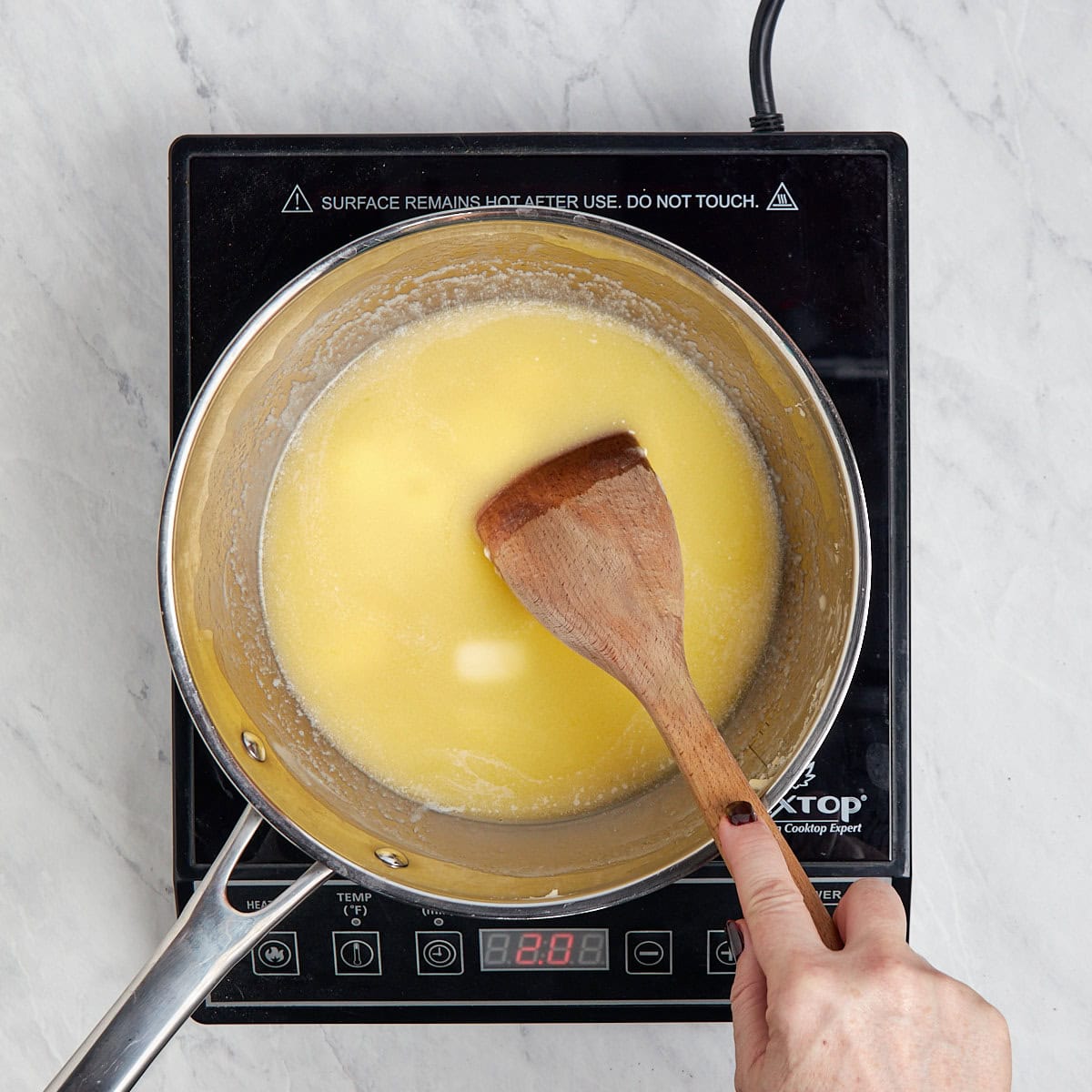
2. Melt over low heat. Place the pan over low heat and let the butter melt slowly. You’ll hear a gentle sputter as the water evaporates.
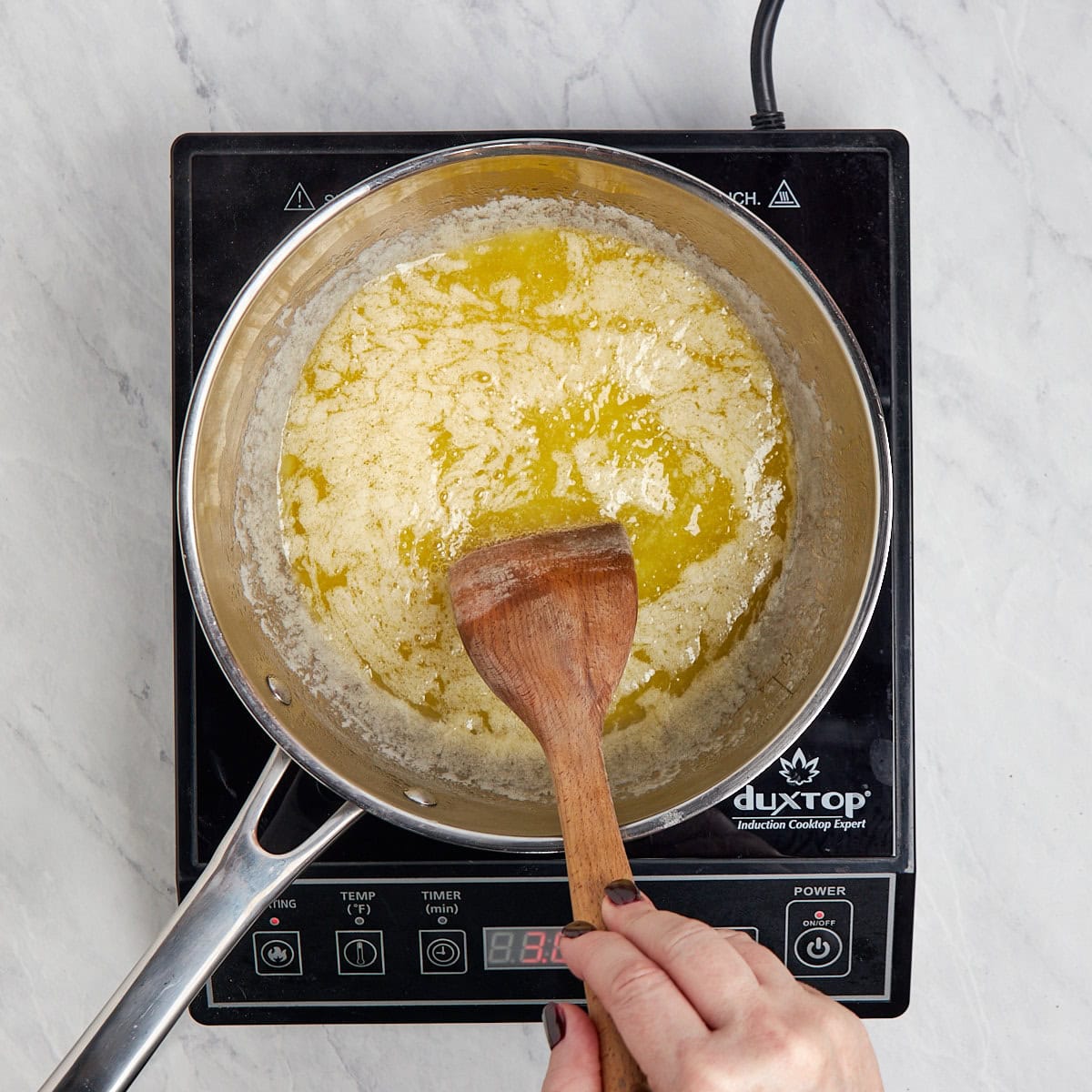
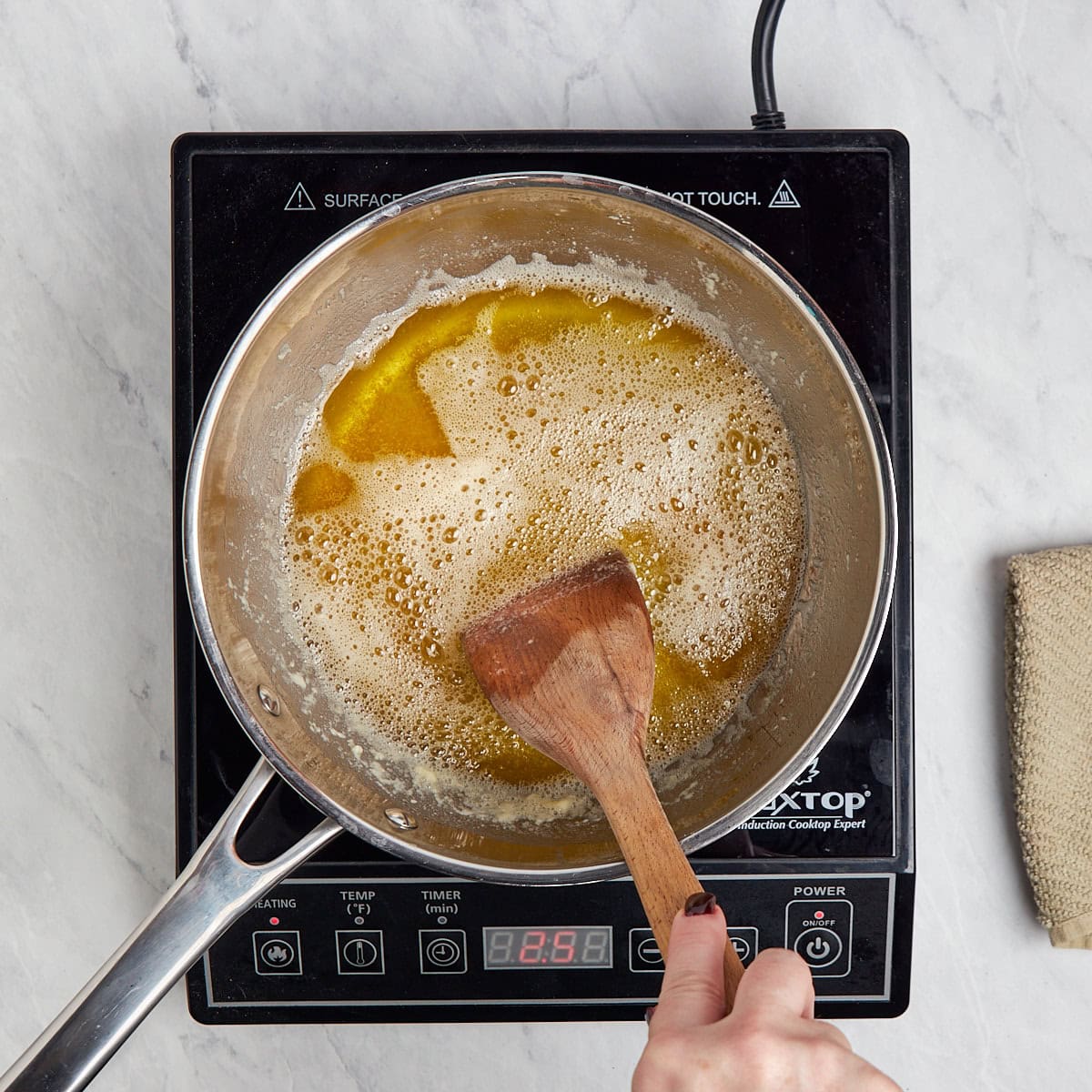
3 Watch for foam. Once melted, the butter will foam with large bubbles. As the foam subsides and the bubbles become smaller, most of the water has evaporated. At this stage, you have clarified butter. The milk solids have separated, and the clear golden liquid can be strained and then used for sautéing or sauces if you stop here. Continue cooking a bit longer to create brown butter.
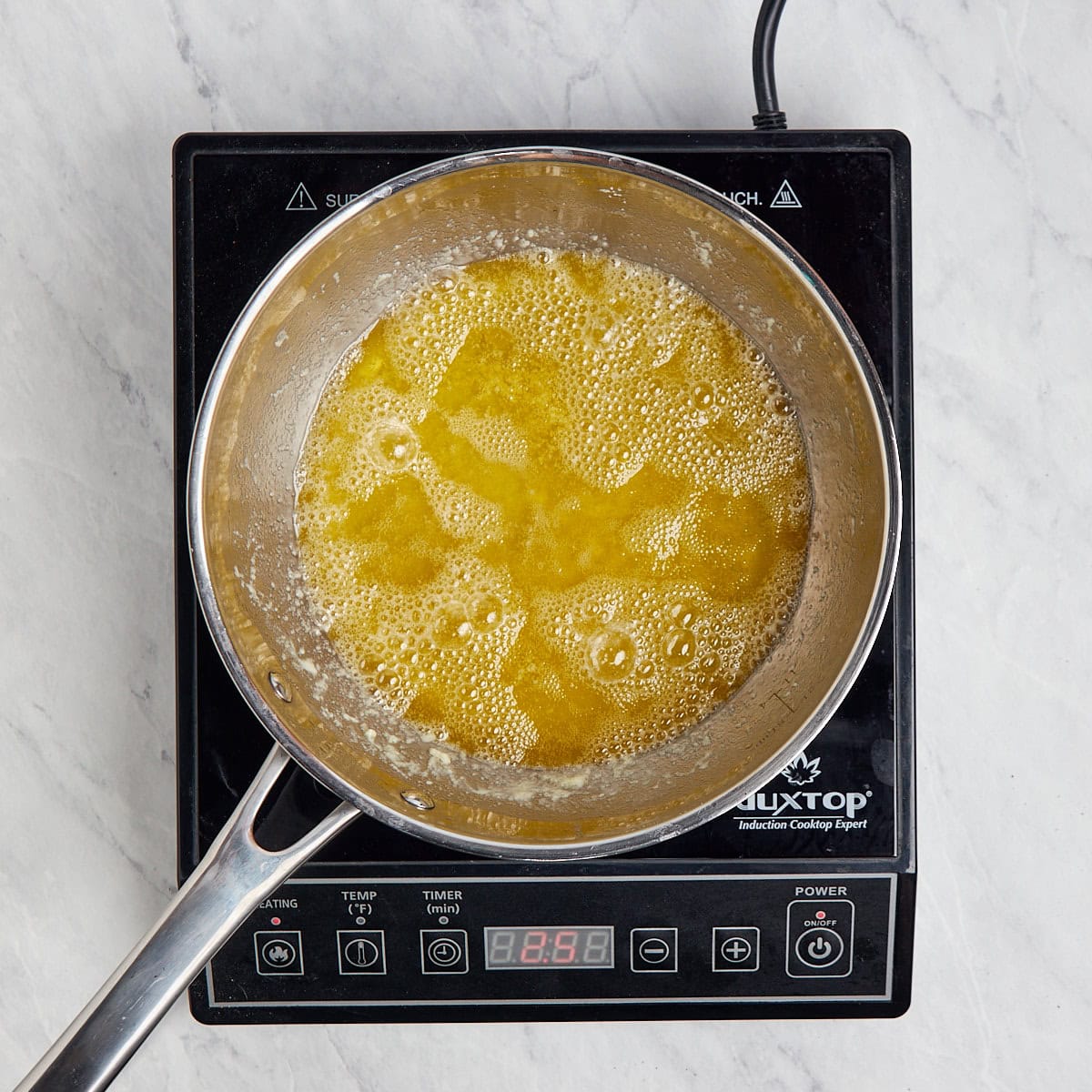
4. Monitor the color change. When the foam clears, golden flecks will form on the bottom. Swirl the pan often to toast the milk solids evenly. The butter will transition from yellow to golden to a light amber color. You’ll notice a nutty, almost popcorn-like aroma filling your kitchen
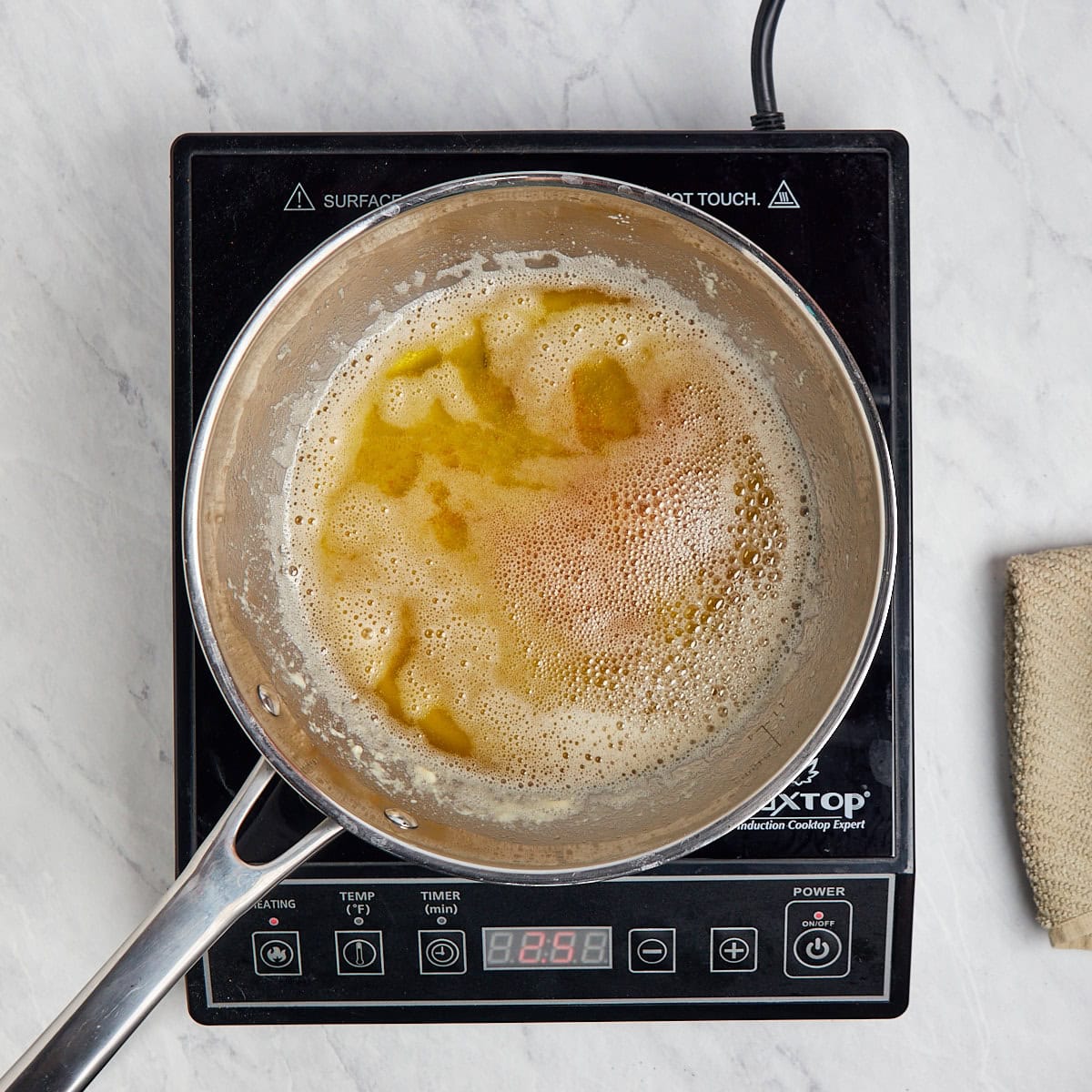
5. Remove from heat. Once the milk solids turn a rich golden brown and the aroma deepens, take the pan off the heat immediately. Residual heat will continue to slightly darken the butter.
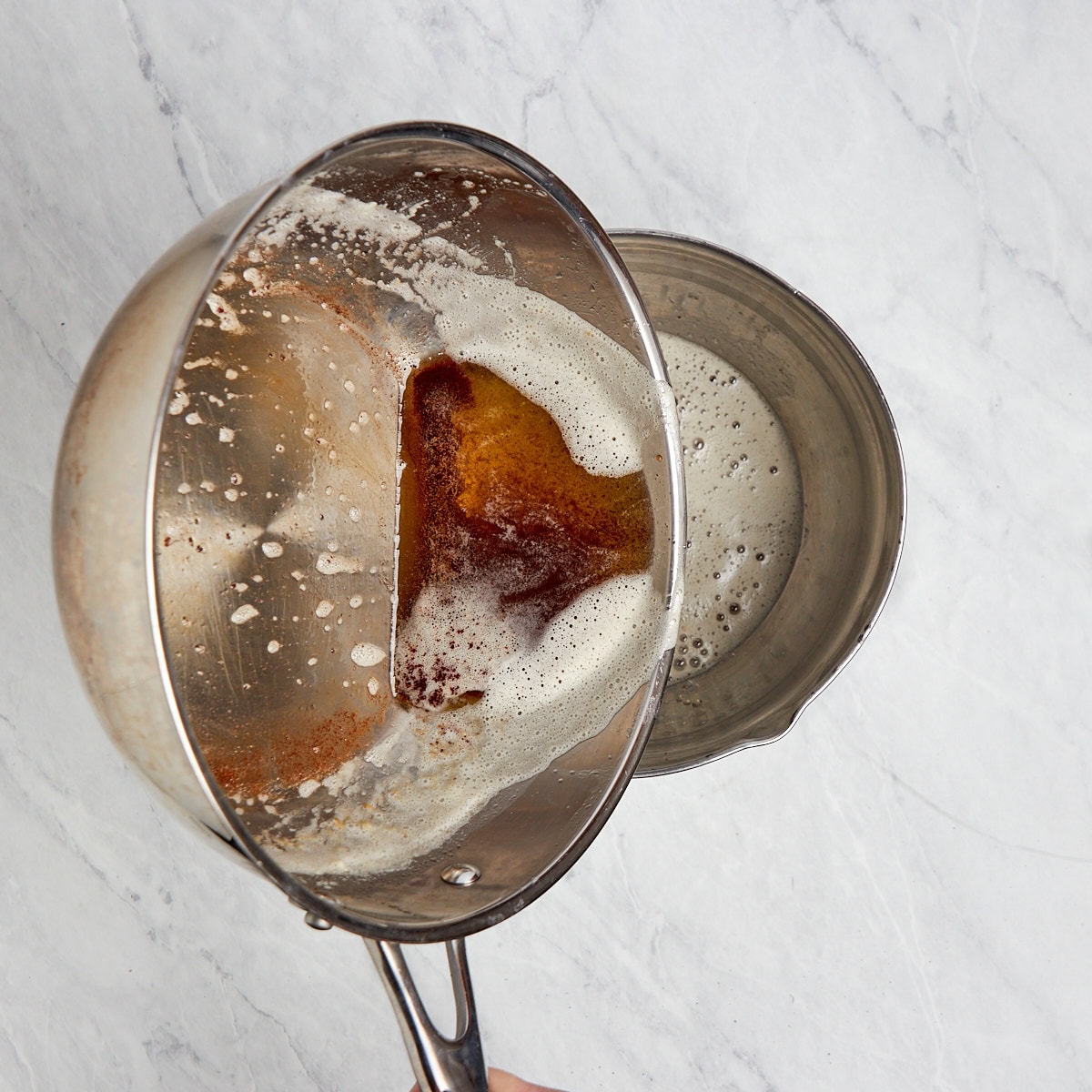
6. Transfer to a heat-proof bowl. Pour the browned butter into a bowl right away to stop the cooking process. Let it cool for about 10 minutes before using it in recipes that don’t require melted butter.
Common Mistakes and How to Avoid Them
- Overheating or walking away. Brown butter can burn within seconds. Stay nearby once the foam begins to subside.
- Using a dark pan. It’s difficult to judge color in dark cookware. Use stainless steel or a light enamel surface.
- Confusing brown with burnt. Properly browned butter smells nutty and sweet. Burnt butter smells bitter and looks nearly black.
Pro-Tip: If you’re new to browning butter, start with a small amount so you can practice spotting the color and aroma changes.
How to Use Brown Butter
Brown butter brings a deep, toasty flavor to everything from baked goods to sauces.
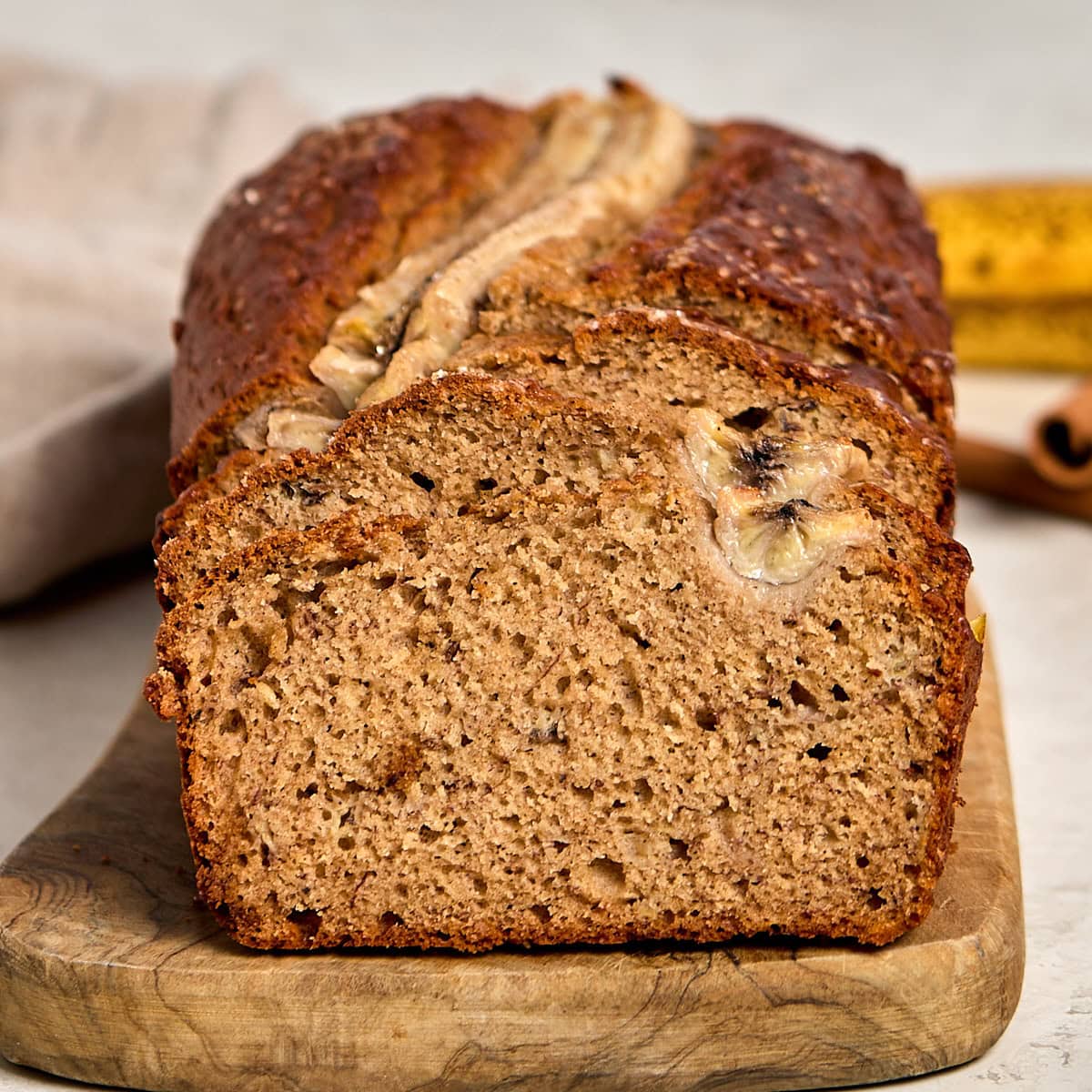
For baking: Substitute it 1:1 for melted butter in recipes such as cookies, blondies, and banana bread. Let it cool if a recipe calls for softened butter. It adds richness to baked goods without extra effort.
For savory recipes: Use it as a finishing sauce for pasta, roasted vegetables, or seared chicken. It complements earthy flavors in mushrooms, squash, and seafood. Try adding it to creamy risotto or spooning it over roasted potatoes.
Brown butter replaces regular butter in most recipes, but because the water has evaporated, it’s slightly more concentrated. Avoid using it in recipes that rely on butter’s moisture, such as puff pastry or croissants.
Make-Ahead and Storage
Make-Ahead: It can be made several days or even weeks in advance. Once cooled to room temperature, it will solidify to a spreadable consistency, similar to softened butter but with a deeper color.
How to Store: Keep in an airtight container in the refrigerator for up to two weeks. For longer storage, freeze it in ice cube trays or small containers for up to three months.
How to Reheat: If your recipe calls for melted brown butter, gently reheat it in a small saucepan over low heat, or microwave it in short bursts. You can also let refrigerated brown butter come to room temperature for about 30 minutes if you need it softened.
Recipe Tips and Notes
- Cut butter into pieces. Cutting the butter into tablespoon-sized chunks helps it melt evenly and prevents the outside from browning before the inside has melted.
- Trust your nose. The nutty, toasted aroma is one of the best indicators that your butter is ready. If it starts to smell burnt or acrid, you’ve gone too far.
- Strain if desired. Some recipes call for straining out the browned milk solids for a clearer appearance, but we prefer to keep them in for maximum flavor and texture.
- Butter yields less when browned. The amount of brown butter you get depends on the butter quality and water content. We use higher-quality unsalted butter and get about five teaspoons of brown butter for every tablespoon of regular butter. So 6 tablespoons of butter will yield approximately 5 tablespoons of brown butter.
Frequently Asked Questions
More Recipes to Try
Looking for ways to use your brown butter? Try these favorites:
- Chewy Ginger Molasses Cookies – Brown butter adds a hint of nuttiness that complements the warm spices.
- Brown Butter Banana Bread – A rich, flavorful twist on a classic, made even better with toasted butter.
- Whipped Sweet Potatoes with Brown Butter and Sage – A simple side that feels special enough for the holidays.
- Ravioli in Sage Brown Butter Sauce – Ready in just 15 minutes, brown butter transforms store-bought ravioli into a restaurant-quality meal that’s rich and satisfying.
Let’s Connect! If you make this recipe or any other recipe on Casual Epicure, please don’t forget to rate the recipe and leave a comment below. It helps others who are considering making our recipes and we love hearing about your cooking experiences. And if you snapped some shots, share them on Instagram, and be sure to tag @casual.epicure so we can feature them in our stories.
How to Make Brown Butter
Want To Save This Recipe For Later?
Equipment
- Medium Saucepan (2-3 Quarts)
Ingredients
- 24 tablespoons unsalted butter, cut into slices
Instructions
- Cut butter into tablespoon-sized pieces and add to a light-colored saucepan.
- Melt over low heat without stirring.
- Continue cooking for 6–8 minutes, allowing the butter to foam and become golden brown.
- When golden flecks form and the butter smells nutty, remove from heat.
- Pour into a heat-proof bowl to stop cooking.
- Cool for 10 minutes before using or store for later.