


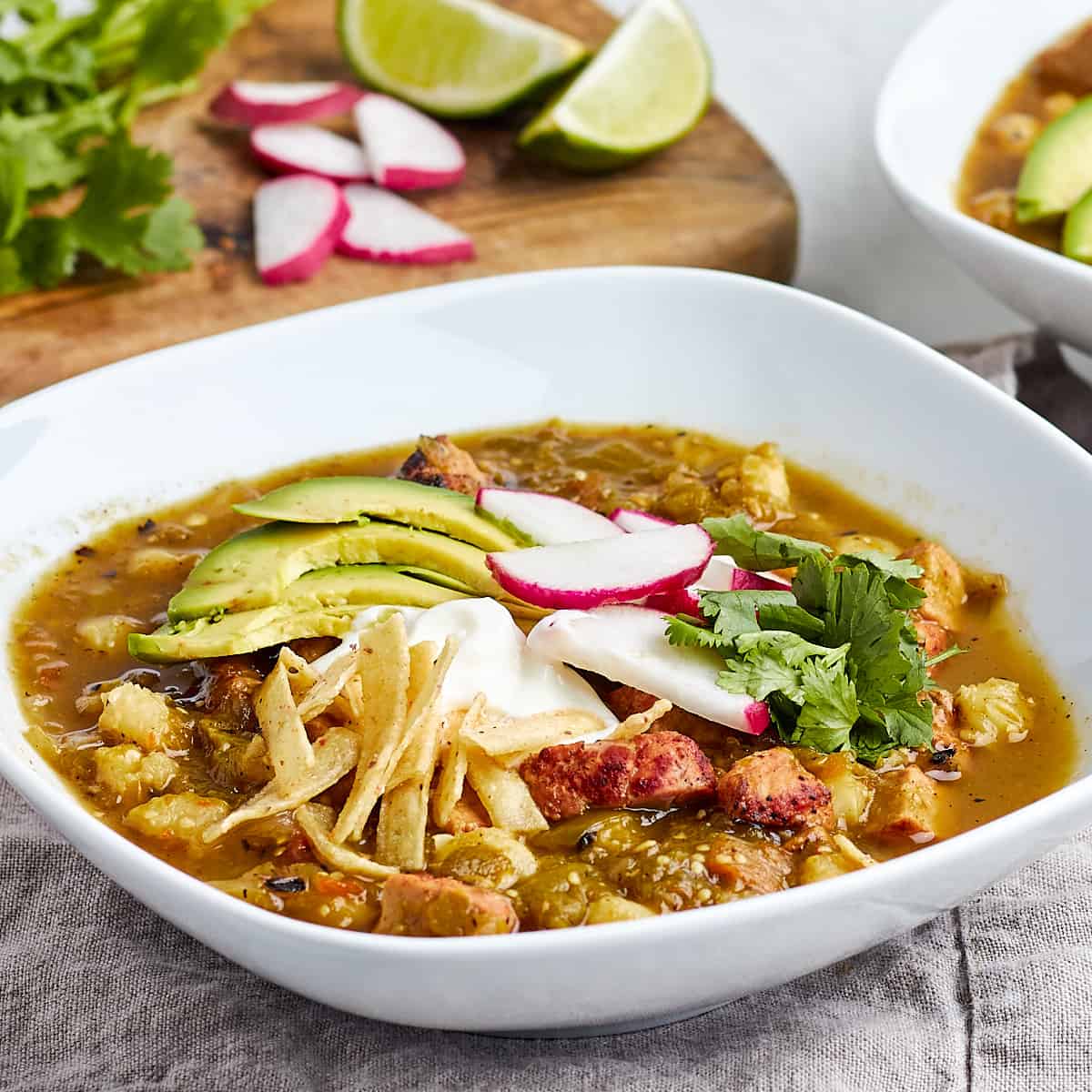
Pork pozole verde is a comforting Mexican stew made with tender pork, roasted tomatillos, green chiles, and hominy. Living in South Texas, we’ve eaten our fair share of pozole (both red and green) and our pozole verde recipe uses grilled pork along with roasted Hatch chiles and tomatillos for extra flavor.
Want To Save This Recipe For Later?
This pozole is a meal all on its own, but a few easy sides and toppings make it even better. Add a spoonful of grilled guacamole or a drizzle of lime-cilantro avocado dressing over shredded cabbage for an extra touch of freshness. Warm tortillas or homemade tortilla chips on the side are always a must.
What is Pozole?
Pozole (pronounced pō-sō-ley) is a traditional Mexican dish with deep roots in pre-Columbian history. The dish features hominy (nixtamalized corn kernels) and meat simmered together in a flavorful broth. You’ll find three main varieties across Mexico. Pozole verde gets its vibrant green color from tomatillos and green chiles. Pozole rojo uses dried red chiles for an earthy, slightly sweet flavor. Pozole blanco keeps things simple, made with just the broth and hominy, without added chiles.
Pozole is typically served with fresh garnishes that you add to your own bowl. Shredded cabbage, sliced radishes, diced onions, fresh cilantro, lime wedges, and crispy tostadas or tortilla chips are common toppings and sides. This allows each person to customize their bowl to their taste. It often appears at celebrations and holidays, particularly around Christmas and New Year’s Day, though it’s enjoyed year-round.
Key Ingredients and Substitutions
This recipe relies on fresh ingredients and the smoky char from the grill to build its complex flavor profile.
The complete ingredient list and measurements are listed in the printable recipe below.
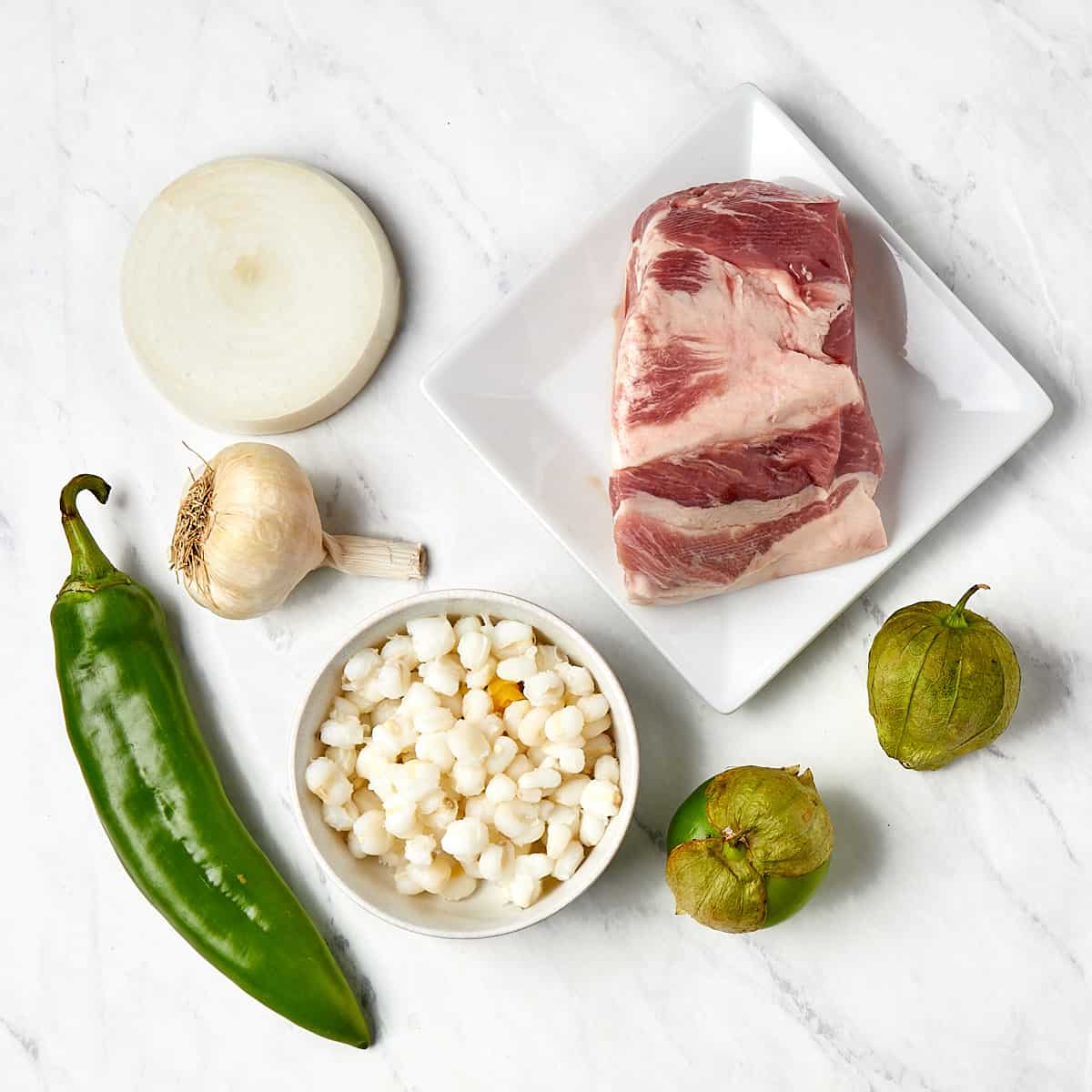
- Pork Butt Roast: This cut has the right amount of fat to stay tender during the long simmer. The pork gets grilled first to develop smoky char marks, then it’s cut into cubes and simmered in the broth until fully cooked and tender. You can substitute pork shoulder or even chicken thighs if you prefer.
- Tomatillos: These tangy, bright fruits are the backbone of pozole verde. Grilling them in their husks adds a smoky sweetness that balances their natural acidity. Look for firm tomatillos with tight-fitting husks at your grocery store.
- Hatch Chile Peppers: The star of this dish, hatch chiles bring moderate heat and a distinct earthy flavor. If you can’t find fresh hatch chiles, use canned roasted hatch chiles or substitute poblano peppers for a milder version. Check out our How to Roast Hatch Chiles guide for detailed roasting tips.
- White Hominy: These large corn kernels have been treated with lime, giving them a distinctive flavor and texture. You can typically find canned hominy in the Mexican food aisle of most grocery stores. Regular corn won’t give you the same authentic taste or texture, so don’t make that substitution.
- Chicken Stock: A good-quality stock adds depth to the broth. You can use homemade vegetable broth or store-bought, but opt for a low-sodium version to control the salt level.
- Garlic and Onions: Roasting the garlic in its papery wrapper and grilling the onions transforms their sharp bite into sweet, caramelized flavor. White onions are ideal for Mexican cooking because they strike the perfect balance between sweetness and pungency.
How to Make Pork Pozole Verde
Here are the quick, step-by-step instructions with visuals; you can find the full instructions, including the exact ingredients, in the recipe card below.
Pro-tip: Place the hot roasted hatch chile peppers in a paper or plastic bag or a bowl covered with plastic wrap. Let the peppers “sweat” (the steam will help loosen the skin) for 15 minutes before peeling off the skin and removing the stems, ribs, and seeds.
1. Pat the pork butt roast dry with a paper towel, then salt and pepper and add some chili powder if you like it spicy. Cut the onions in half at the equator, and then cut each half in half again, as if you were making extra-thick onion rings. Leave the tomatillos and garlic in their papery wrappers and the hatch chile peppers whole.
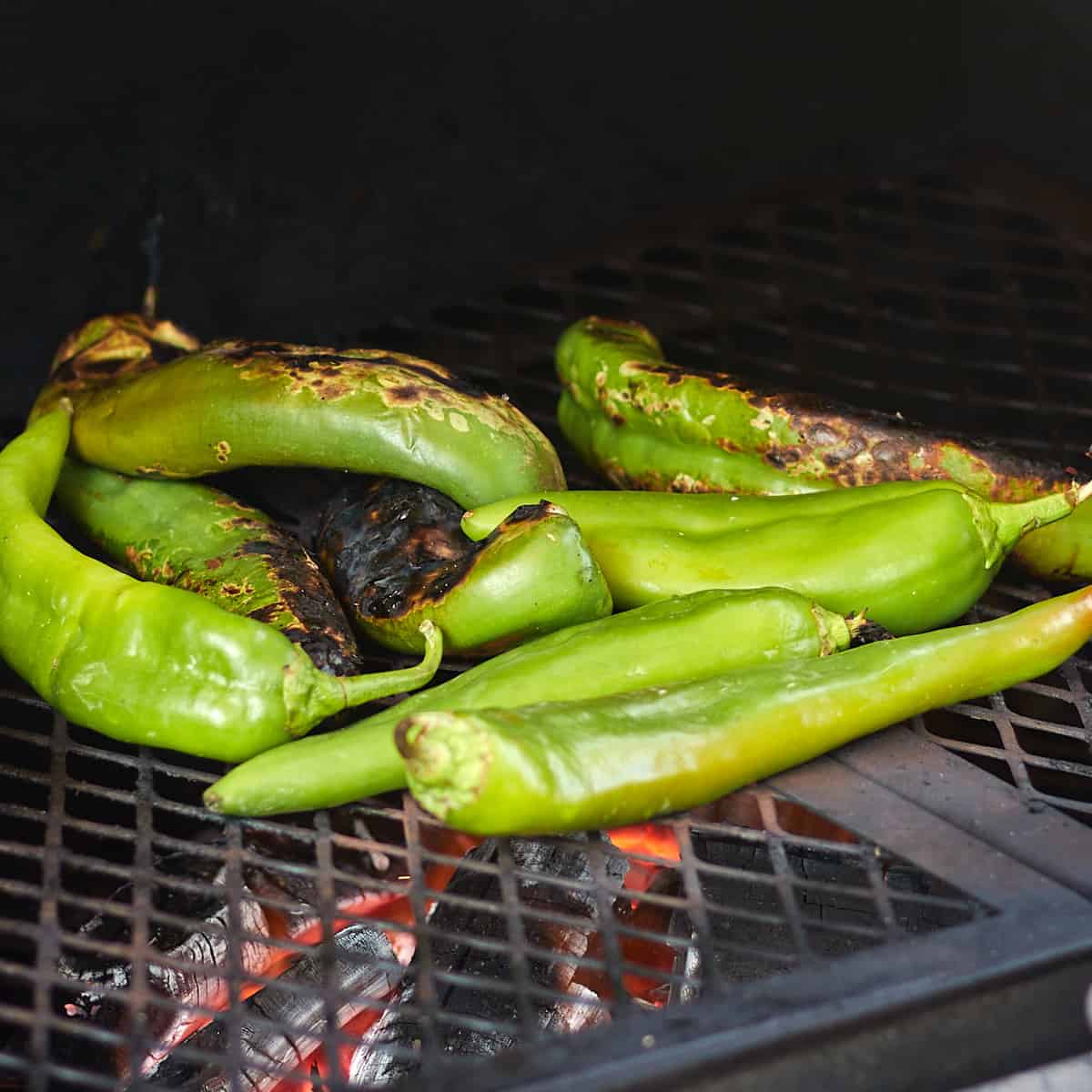
2. Place the head of garlic on the edge of the flame and roast indirectly while the other ingredients are grilling, making sure to turn it regularly. Roast the hatch chile peppers until they have a nice char on their skin, and then move them off to the side away from the flame.
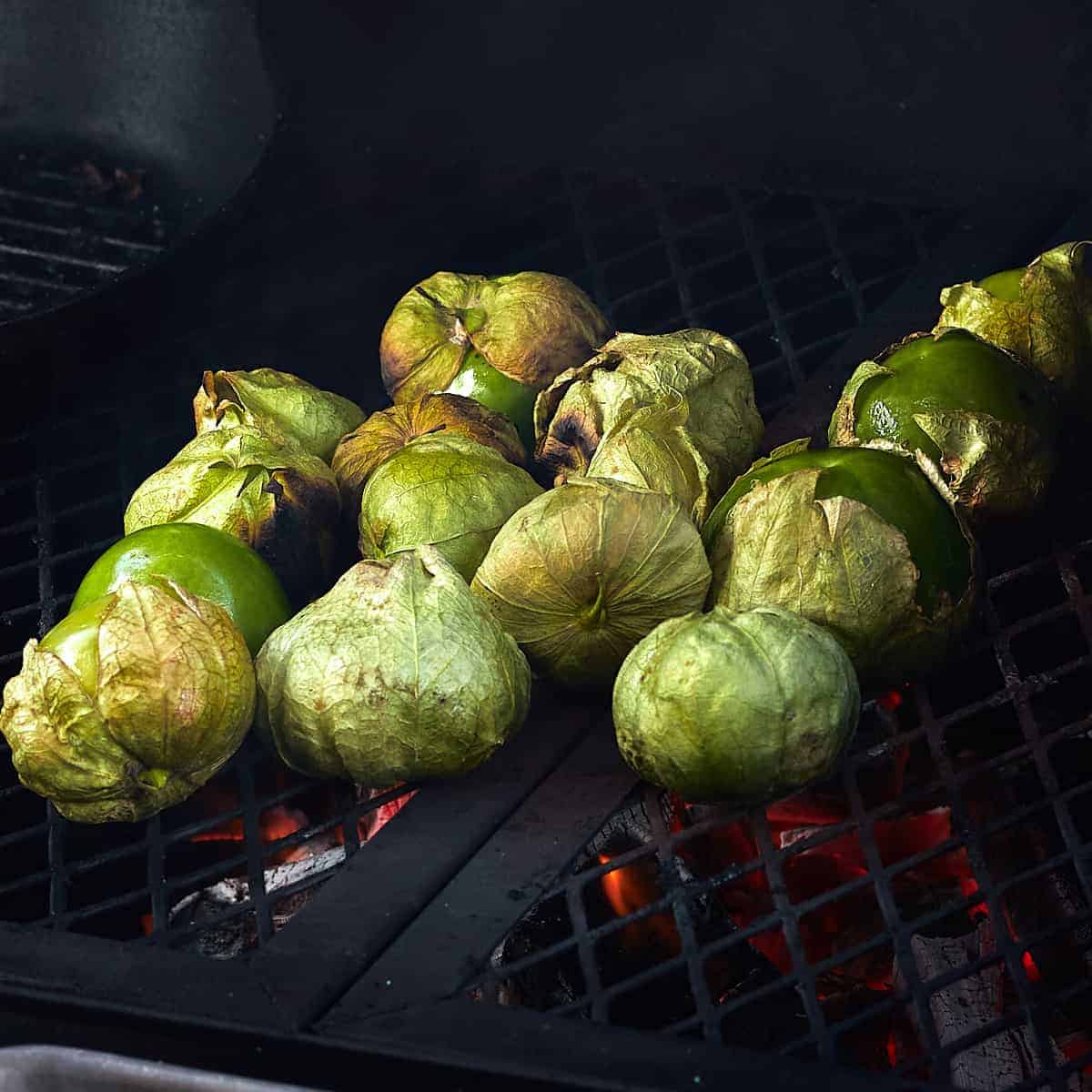
3. Grill the onions until they have dark grill marks on each side, then transfer them to the side with the peppers. Grill the tomatillos for 5-10 minutes, checking them for dark grill marks, then remove them from the flame.
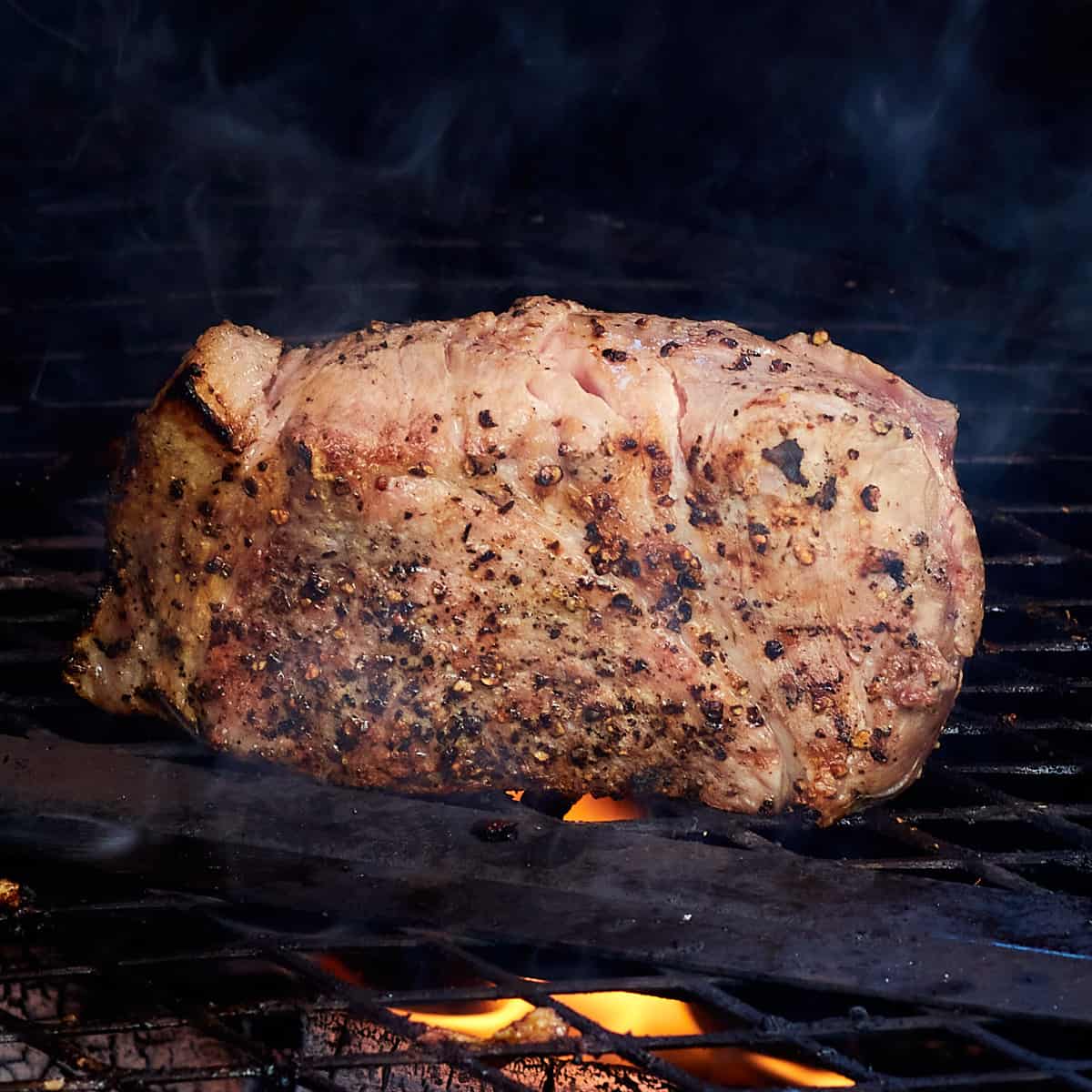
4. Finally, grill the pork for 15-20 minutes, rotating it on each side, allowing it to develop grill marks. Don’t worry too much about the internal temperature of the pork since it will be cooked again in the pozole.
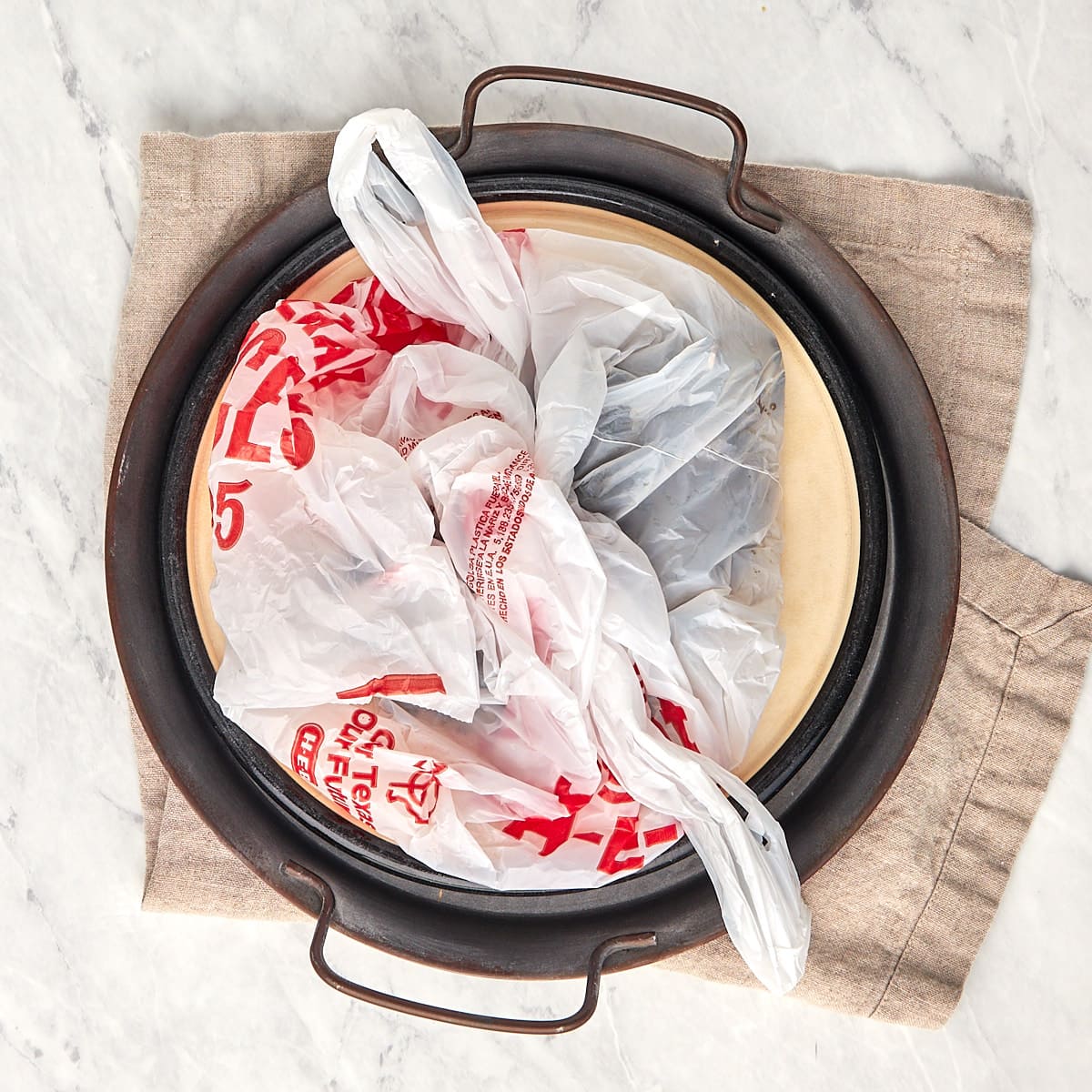
5. Place the hot roasted hatch chile peppers in a paper or plastic bag or a bowl covered with plastic wrap. Let the peppers “sweat” (the steam will help loosen the skin) for 15 minutes while preparing the remaining ingredients for the sauce.
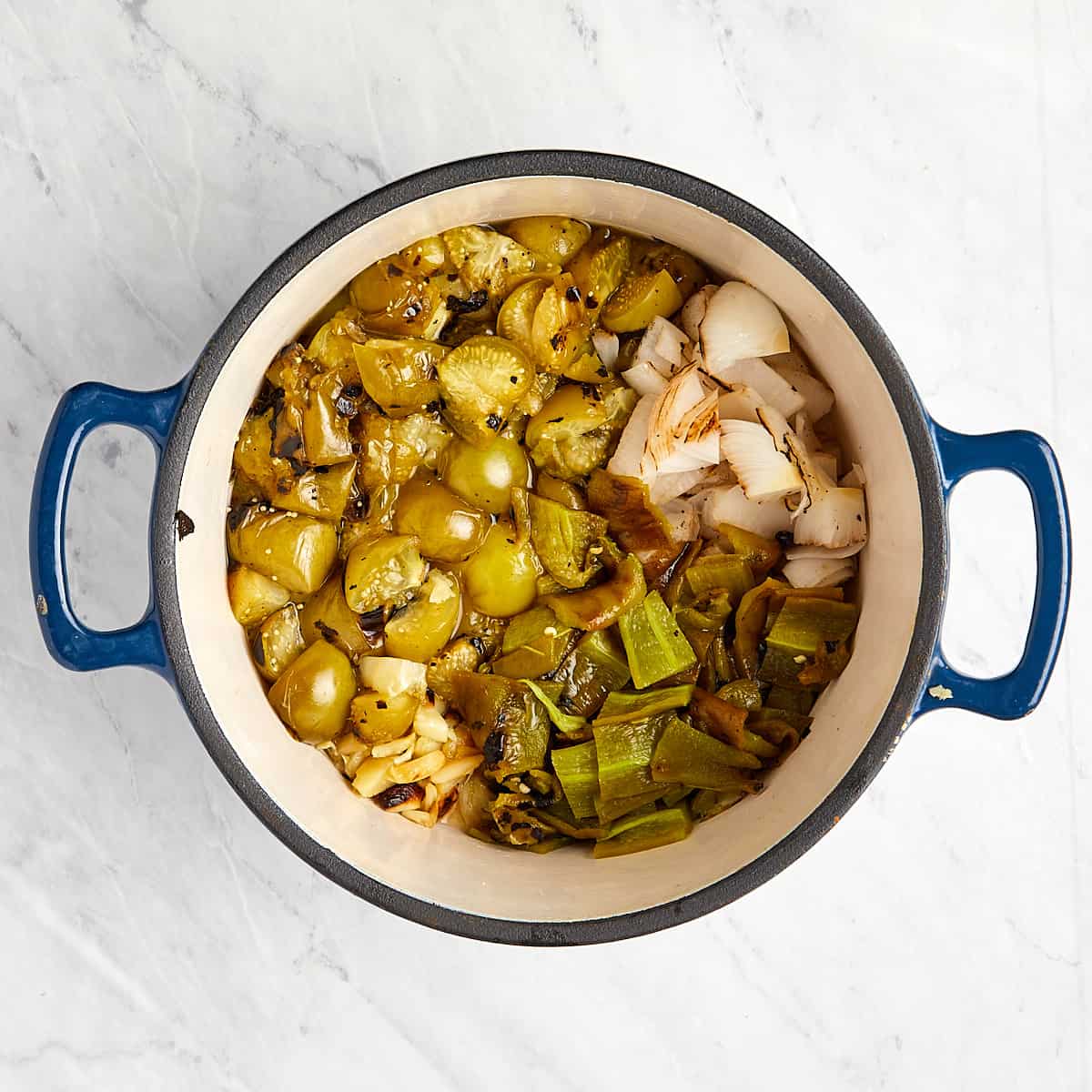
6. Rough chop the onions and add to a large pot or Dutch oven with some oil, stirring occasionally until they turn translucent. Cut the root end of the garlic head off and gently squeeze the roasted cloves into the pot, turning the stove down to prevent the garlic from burning. Remove the papery skins from the tomatillos and the stems, then roughly chop them and add them to the pot. Gently peel the skin off the hatch chile peppers, remove the stems, and roughly chop them before adding them to the pot. Give everything a thorough mix, then return it to medium-high heat.
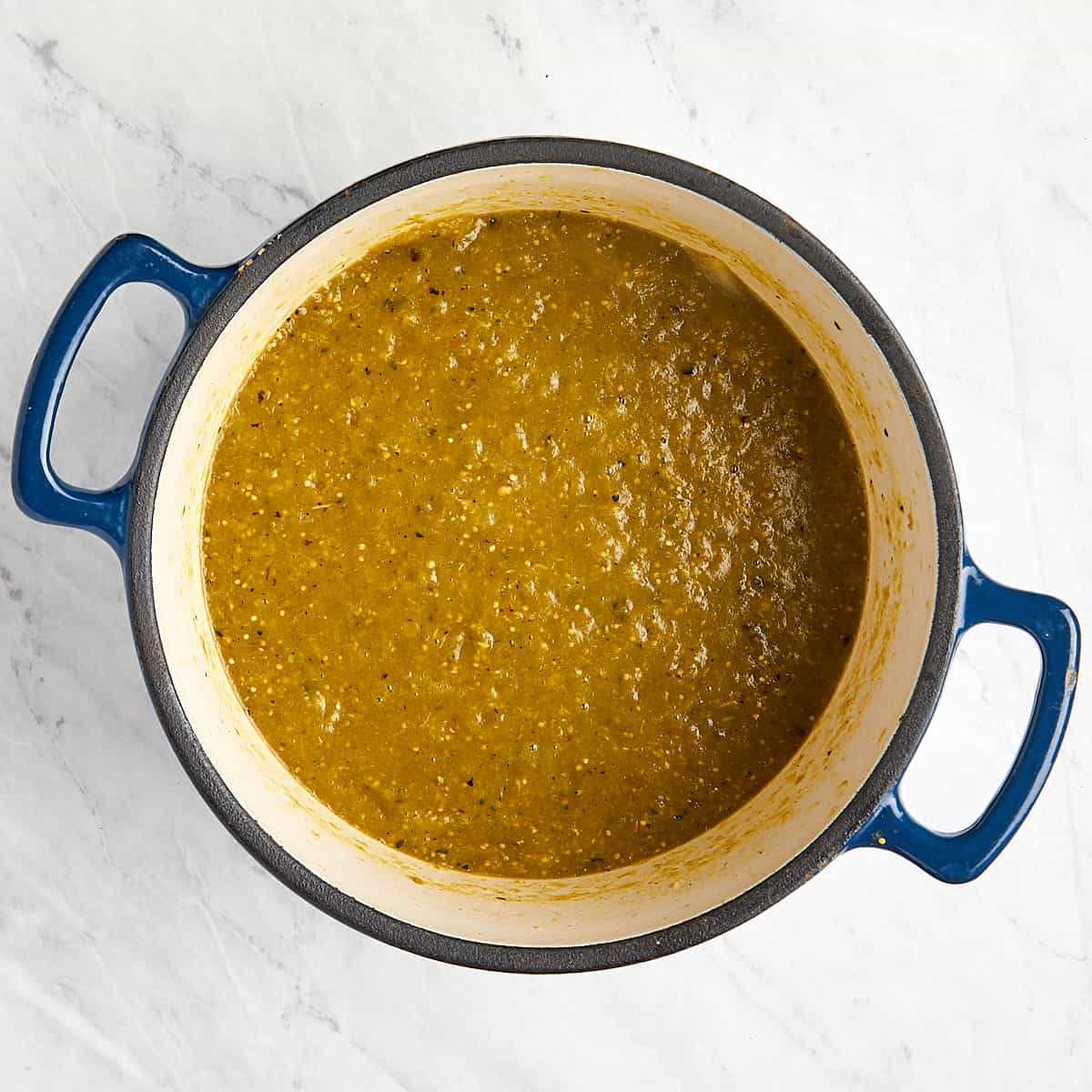
7. Once it’s bubbling, add the chicken broth and use an immersion blender to get the base to a smooth texture. If you don’t have an immersion blender, you can pour the contents into a regular blender or food processor, but be cautious because the sauce will be extremely hot.
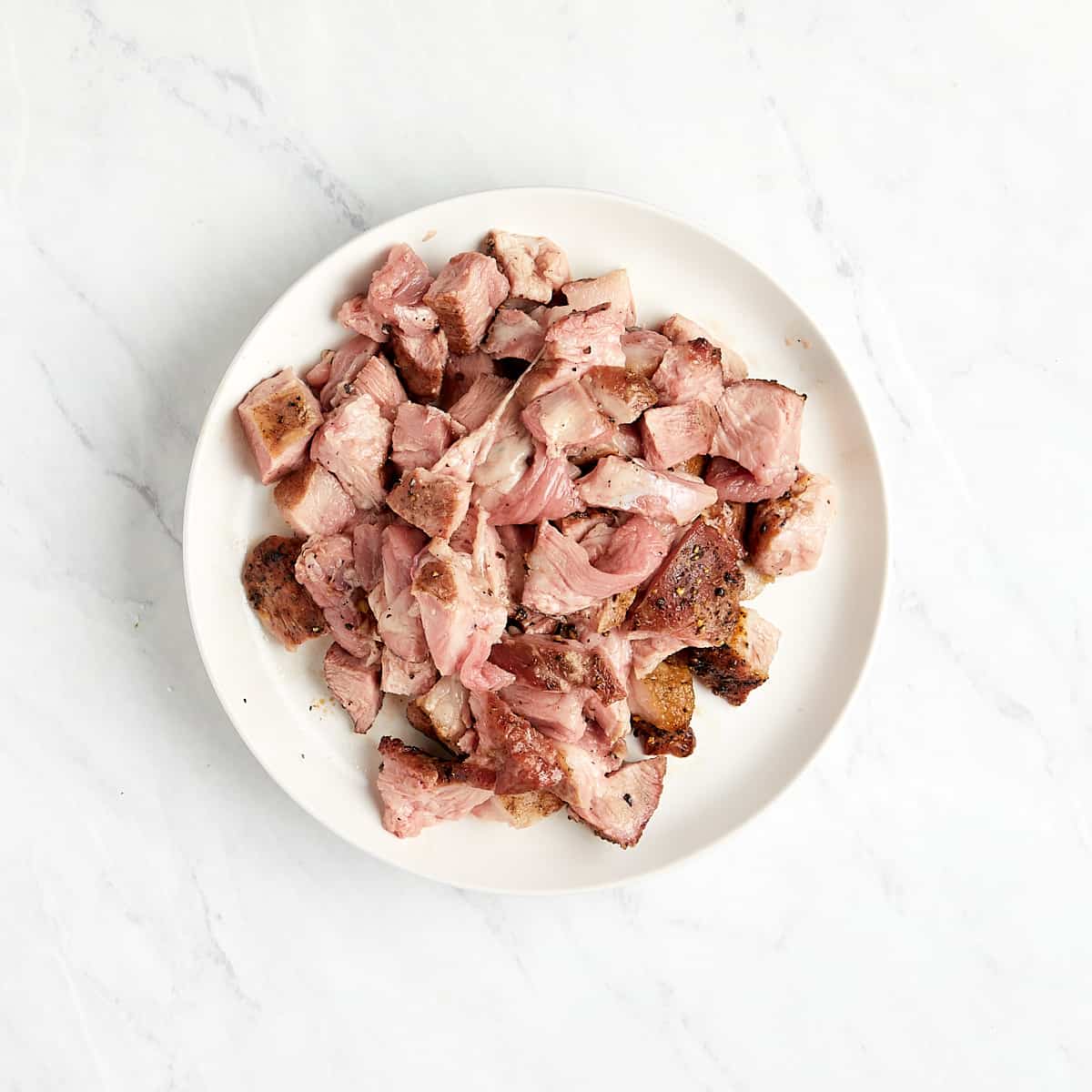
8. Cut the pork into ⅓ to ¾ inch cubes and then add it to the large pot.
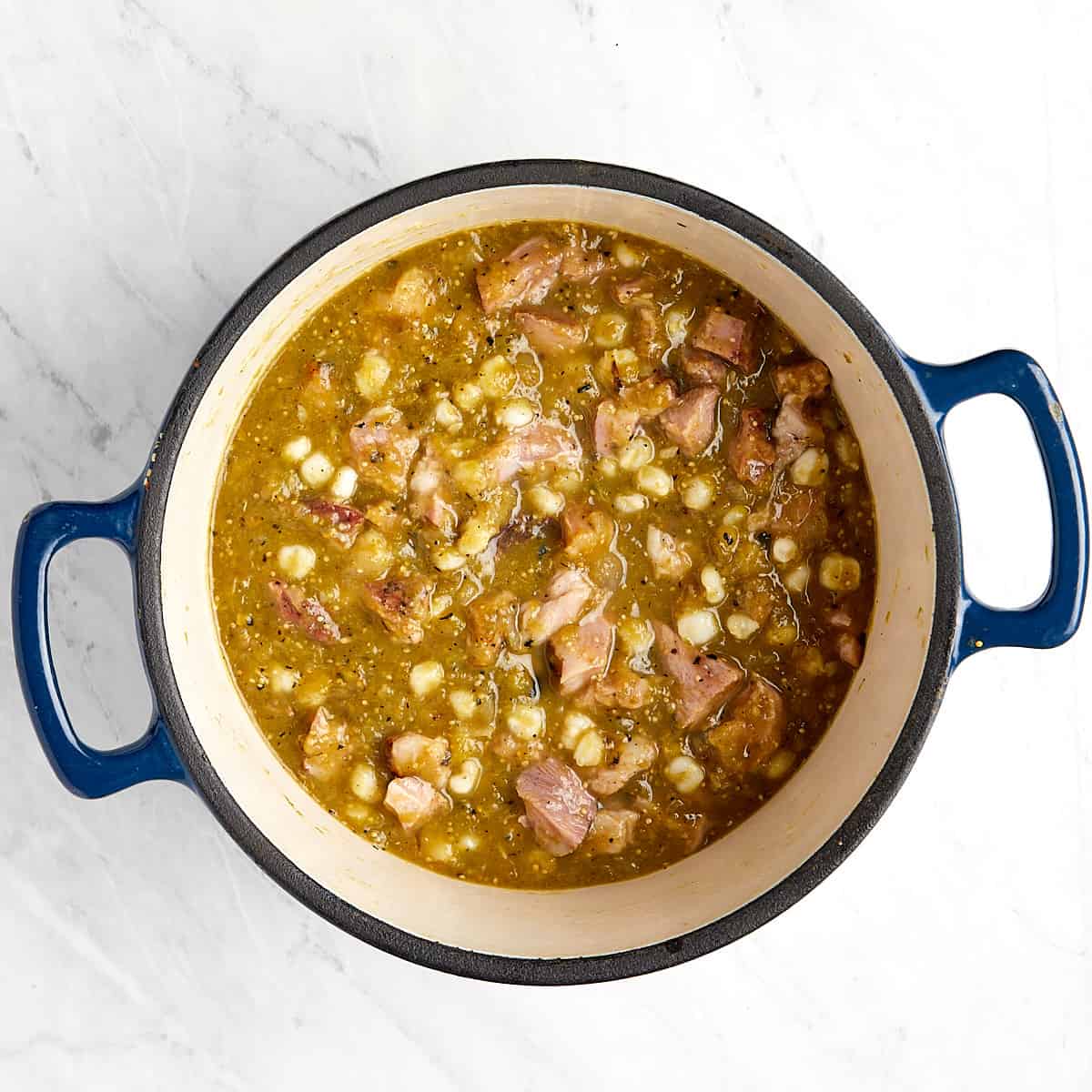
9. Drain the hominy and add it to the pot. Reduce the heat to medium-low and simmer for at least 1 hour. Two hours is better because the liquid reduces by about 20% and the pork becomes thoroughly cooked and tender.

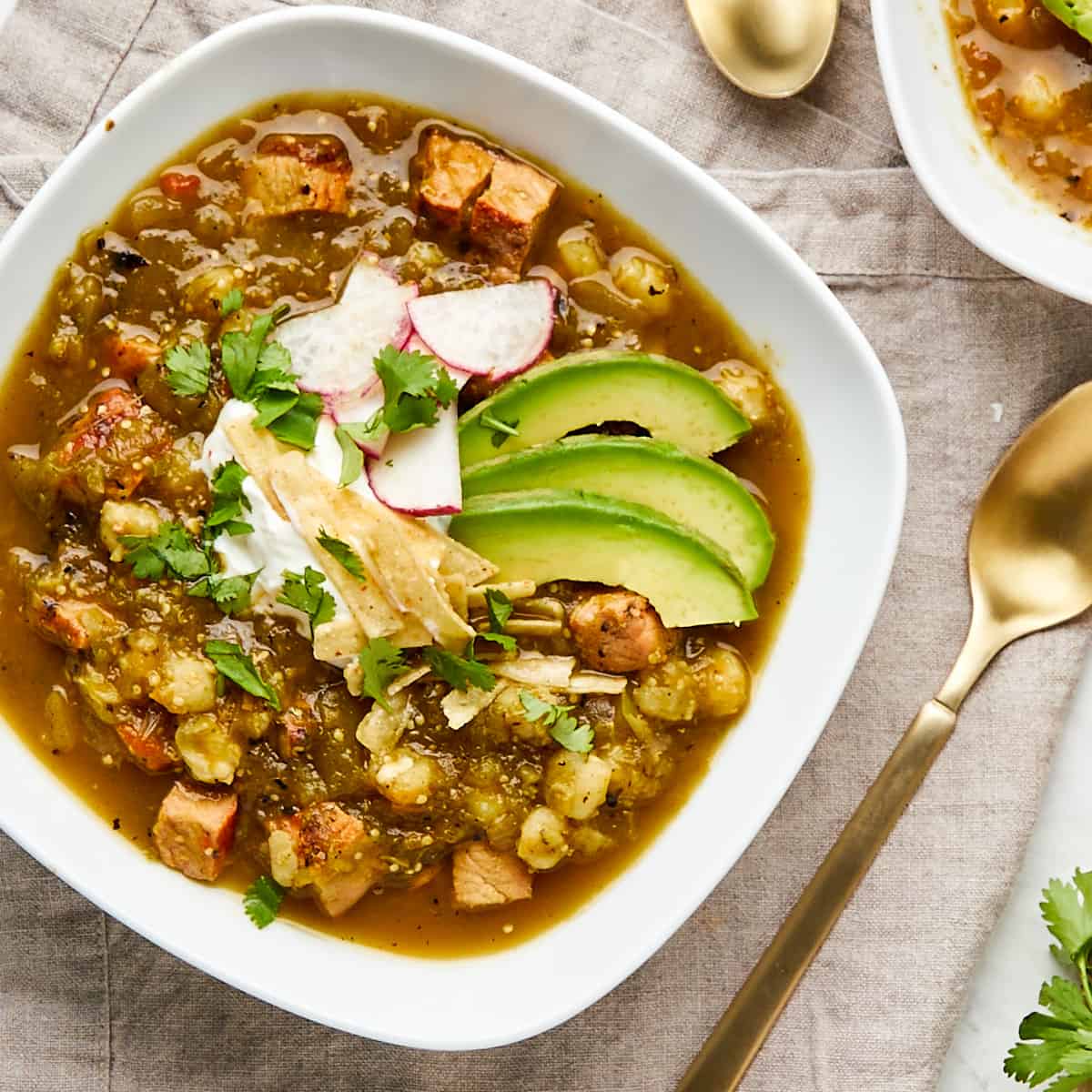
10. Ladle the pozole into bowls and set out all the garnishes. Warm corn tortillas, fresh cilantro, sliced radishes, thinly sliced cabbage, sour cream, and avocado slices let everyone customize their bowl with their favorite toppings.
Toppings & Serving Suggestions
Pozole is usually served with warm corn tortillas, and we will often serve it with homemade tortilla chips. It is also served with various garnishes that add texture and flavor.
- Red or White Cabbage: Thinly sliced cabbage adds a fresh crunch.
- Radishes: For a spicy pepper crunch, add some thinly sliced radishes.
- Onions: Grilled onions are included in the pozole, but you can also use thinly sliced red onions or chopped white onions for added flavor and texture.
- Lime juice: For a hit of acid, squeeze some lime juice over your bowl of pozole.
- Cilantro: For a fresh, citrusy flavor, add some chopped fresh cilantro leaves.
- Avocado: A couple of slices of avocado will add some creaminess.
- Sour Cream (or Mexican Crema): While not a traditional topping, it adds a tangy creaminess that balances out the richness of the pozole.
- Cotija Cheese: Just like sour cream, this is not a traditional topping. Cojita is a dry, crumbly cheese that doesn’t melt, adding a milky-salty flavor.
Recipe Tips and Notes
- Season the pork generously. Salt and pepper need to be applied liberally to the raw pork so it develops proper flavor.
- Control the heat level. Leave seeds in some of the hatch chiles for spicier pozole. Remove all the seeds and ribs for a milder version.
- Watch the simmer. Keep the heat at medium-low to get a gentle simmer, rather than a rolling boil. This breaks down the pork slowly without making it tough.
- Taste as you go. Check the seasoning after the pozole has simmered for about an hour. You may need to add more salt, depending on the type of stock you use.
- The garnishes matter. Fresh toppings add texture and brightness that balance the rich, smoky broth.
- Use a cast-iron grill pan indoors. A cast-iron grill pan on your stovetop works well for achieving those char marks on the vegetables and pork if you don’t have access to an outdoor grill.
- Sear the pork, don’t cook it through. The pork gets grilled just long enough to develop char marks and smoky flavor. It finishes cooking in the broth, so don’t overdo it on the grill or you’ll end up with dry meat.
Make-Ahead and Storage
Make-Ahead: You can grill all the vegetables and pork up to one day in advance. Store them separately in airtight containers in the refrigerator until you’re ready to make the pozole base. The complete pozole tastes better the next day after the flavors have had time to meld together.
How to Store: Let the pozole cool completely before transferring to airtight containers. It will keep in the refrigerator for up to 4 days. The pozole also freezes well. Portion it into freezer-safe containers and store in the freezer for up to 3 months. Store any garnishes separately to keep them fresh and crisp.
How to Reheat: Reheat refrigerated pozole in a pot on the stovetop over medium heat. Stir occasionally until warmed through. You may need to add a splash of chicken stock or water to thin it out since it tends to thicken when refrigerated. For frozen pozole, thaw it in the refrigerator overnight, then reheat on the stovetop. You can reheat individual portions in the microwave, although the stovetop method yields better results.
As always, be sure to consult the USDA Guide to Freezing and Food Safety for the most up-to-date information on freezing and refreezing meat. Also, always be sure that you cook any meat to the USDA’s safe minimum internal temperature.
Frequently Asked Questions
More Hatch Recipes To Try
Looking for more recipes made with Hatch green chiles? Try these other favorites:
- Hatch Chile Mac and Cheese – This recipe combines the rich, gooey goodness of melted cheese with the bold, earthy taste of Hatch chiles, creating a mouthwatering dish that will leave your taste buds dancing.
- Hatch Queso – This queso recipe is made with freshly roasted Hatch green chiles, along with cheddar and Monterey Jack cheeses. It’s rich and creamy, making the perfect snack, appetizer, or party food.
- New Mexico Hatch Green Chile Chicken Enchiladas – These enchiladas are Indulgent but not too heavy. They are stuffed with chicken, roasted hatch chile peppers, and onions topped with a roasted tomatillo green chile sauce and cheese.
Let’s Connect! If you make this recipe or any other recipe on Casual Epicure, please don’t forget to rate the recipe and leave a comment below. It helps others who are considering making our recipes and we love hearing about your cooking experiences. And if you snapped some shots, share them on Instagram, and be sure to tag @casual.epicure so we can feature them in our stories.
Pork Pozole Verde
Want To Save This Recipe For Later?
Equipment
- Wood or Gas Grill optional
- Large Saucepan or Dutch Oven
- Immersion Blender
Ingredients
- 2 medium white onions
- 1 large head of garlic
- 3 pounds tomatillos, in their husks
- 1 pound hatch chile peppers, grilled or roasted
- 2 pounds pork butt roast
- 16 ounce can white hominy, drained
- 3 cups chicken stock
- ¾ tablespoon kosher salt
- 1 teaspoon coarsely ground black pepper
Garnishes
- corn tortillas, warmed
- cilantro
- radishes, sliced
- cabbage, thinly sliced
- sour cream
- avocado, sliced
Instructions
Ingredient Prep
- Pat the pork butt roast dry with a paper towel, then salt and pepper and add some chili powder if you like it spicy.
- Cut the onions in half at the equator and then half again as if you were making extra thick onion rings. Leave the tomatillos and garlic in their papery wrappers and the hatch chile peppers whole.
Grill the Ingredients
- Place the head of garlic off on the edge of the flame and roast indirectly while the other ingredients are grilling, making sure to turn it regularly.
- Grill the hatch chile peppers until they have a nice char on their skin then move off to the side away from the flame.
- Grill the onions until they have dark grill marks on each side and move them over to the side with the peppers.
- Grill the tomatillos for 5-10 minutes, checking them for dark grill marks, then remove them from the flame.
- Finally, grill the pork for 15-20 minutes rotating it on each side allowing them to develop grill marks. Don't worry too much about the internal temperature of the pork since it will be cooked again in the pozole.
Tomatillo Base
- Place the hot roasted hatch chile peppers in a paper or plastic bag or a bowl covered with plastic wrap. Let the peppers "sweat" (the steam will help loosen the skin) for 15 minutes while preparing the remaining ingredients for the pozole.
- Rough chop the onions and add to the pot with a little oil, stirring occasionally until they turn translucent.
- Cut the root end of the garlic head off and gently squeeze the roasted cloves into the pot, turning the stove down to make sure the garlic doesn't burn.
- Remove the papery skins off the tomatillos and remove the stem, then roughly chop them and add them to the pot.
- Gently peel off the skin of the hatch chile peppers, remove the stem, and rough chop them before adding to the pot.
- Give everything a thorough mix then turn it back up to medium-high. Once it's bubbling, add the chicken broth and use an immersion blender to get the base to a smooth texture. You can pour the contents into a regular blender or food processor if that's what you have available.
Pork Pozole Verde
- Cut the pork into ⅓ to ¾ inch cubes and add to the tomatillo base. Drain the can of hominy and add it to the pork and tomatillo base.
- Turn the heat down to medium-low to simmer for at least an hour, preferably two, until reduces by 20% or so, intensifying the flavor and thoroughly cooking the pork.


